Loading...
Sobriety Support Cards
Within Encouragement Cards
Recovery is one of the hardest things a person can do, and the people who love someone in sobriety often feel helpless, wanting to say something meaningful without saying the wrong thing. A sobriety milestone, a difficult anniversary, a Tuesday when you just want someone to know you see how hard they are working: these are the moments when a text feels thin and a phone call feels like pressure. A card lands differently. It sits on a counter, gets tucked into a drawer, gets read again at 2 a.m. when the noise gets loud. That kind of staying power matters in recovery.
Cards From You makes it possible to send a real card, handwritten in real ink by a human hand, without having to time a trip to the post office around someone else's sobriety calendar. You write your message, something personal, something you actually mean, and the card gets written out and mailed directly to your person. You can schedule it weeks in advance for a one-year chip date or a 90-day mark, so the card arrives exactly when it should, without you having to remember in the middle of a busy week.
From $0.99 digital, $7.24 mailedPostage includedReal pen & ink
Featured Encouragement















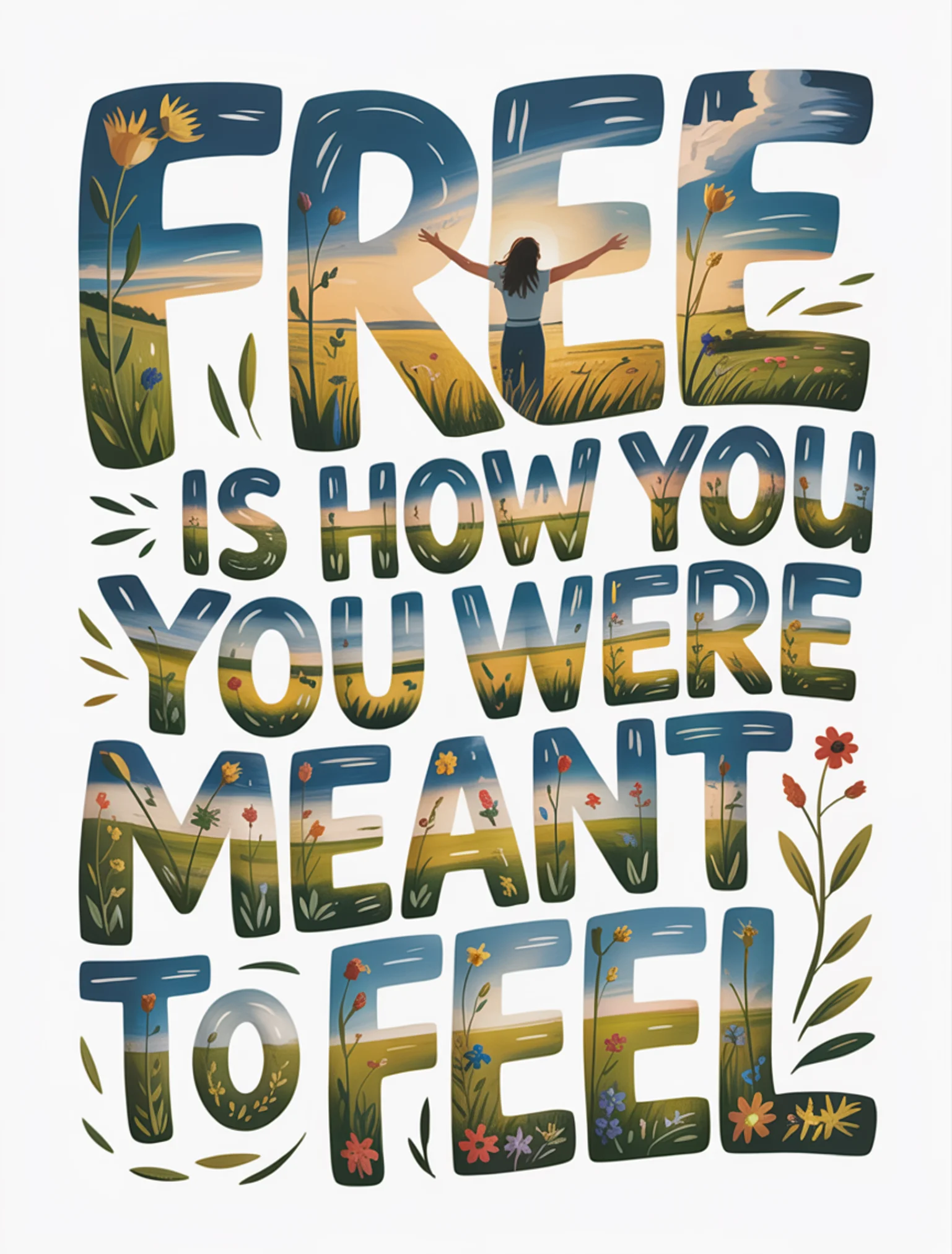
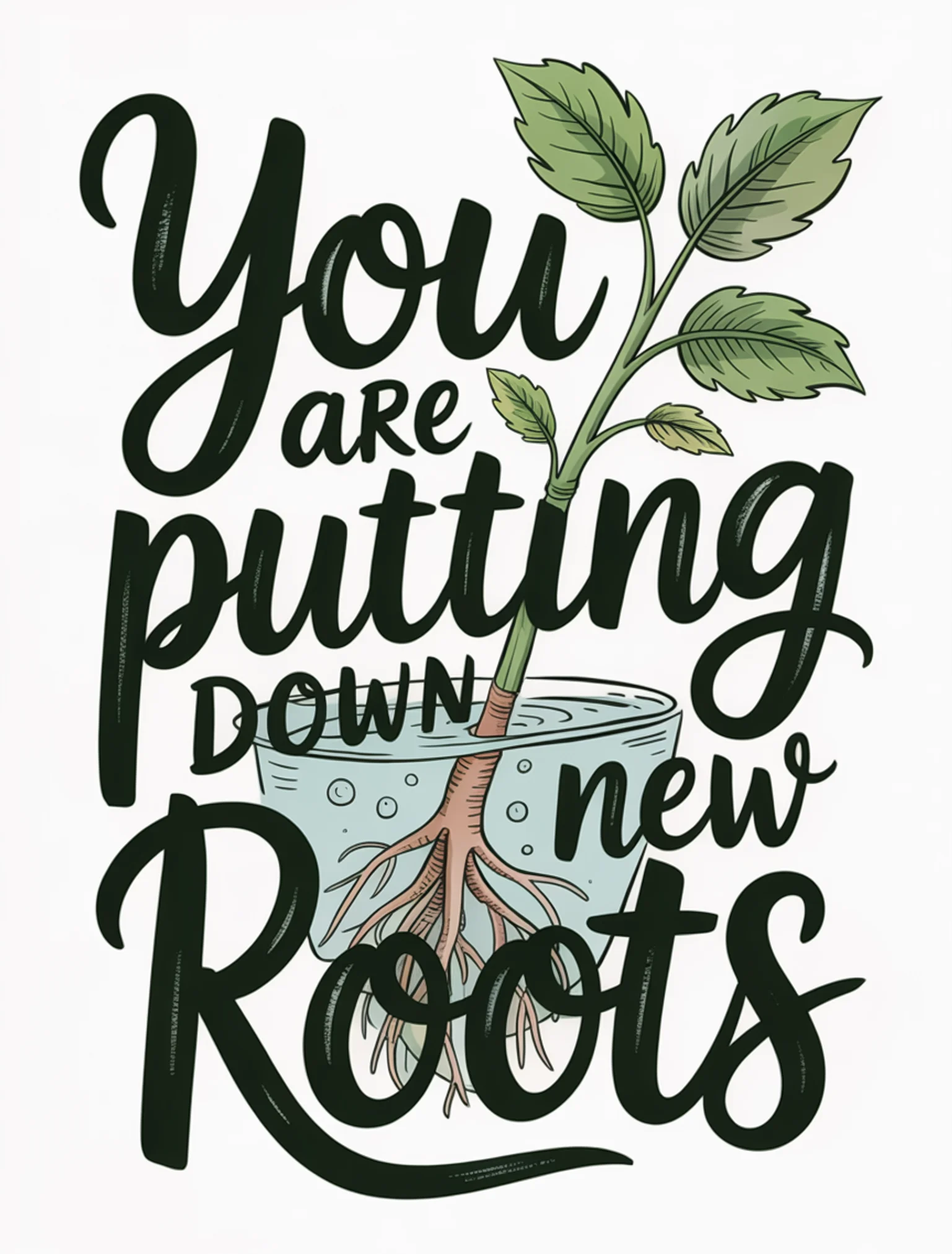



Browse Related
All Encouragement CardsYou Got ThisNew ChapterRest & RecoveryHealth JourneyJob LossExam & TestCaregiver SupportGrief SupportJust Keep GoingLossGet Well
Reading on this topic
Frequently Asked
When is the right time to send a sobriety support card?
Milestone dates like 30, 60, or 90 days and yearly anniversaries are the most common, but cards sent outside of milestones, just to check in or say you're proud, often mean more because they're unexpected. If you know the date someone got sober, scheduling a card to arrive that day is a concrete way to show you remembered without making a big production of it.
What should I actually write in a sobriety card?
Skip vague encouragement and write something specific: reference a moment you witnessed, a change you've noticed, or simply say you know this week was hard and you're thinking of them. Avoid language that centers the addiction itself, focus on the person and their strength rather than what they're fighting against. A single honest sentence beats three lines of inspirational filler every time.
Can I send a sobriety card to someone without them knowing I'm aware of their recovery?
Yes, frame it as a general encouragement card and keep your message focused on support and care rather than explicitly naming their sobriety, especially if they haven't shared it openly with you. The card itself doesn't need to announce its purpose; the act of reaching out carries the weight on its own.