Loading...
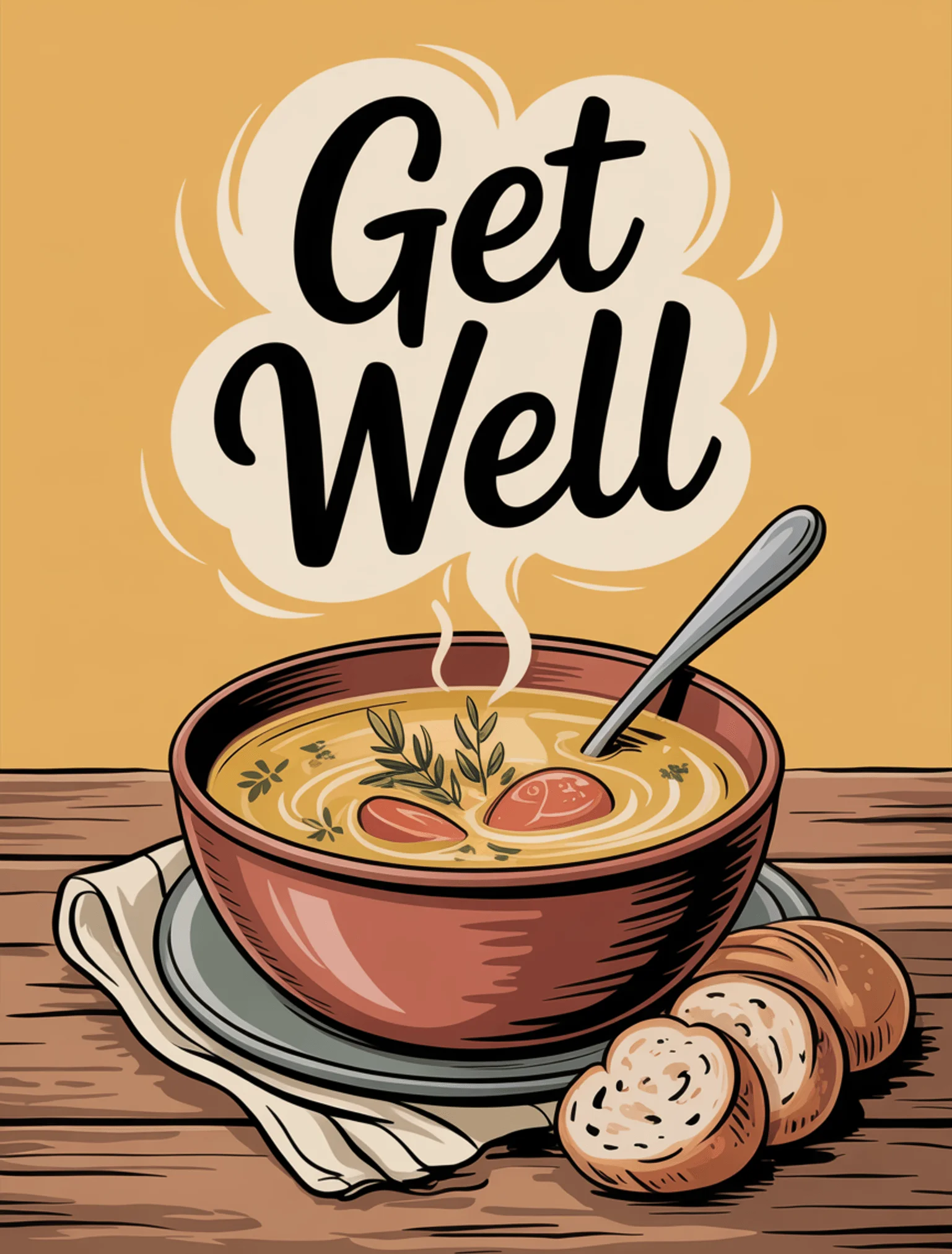
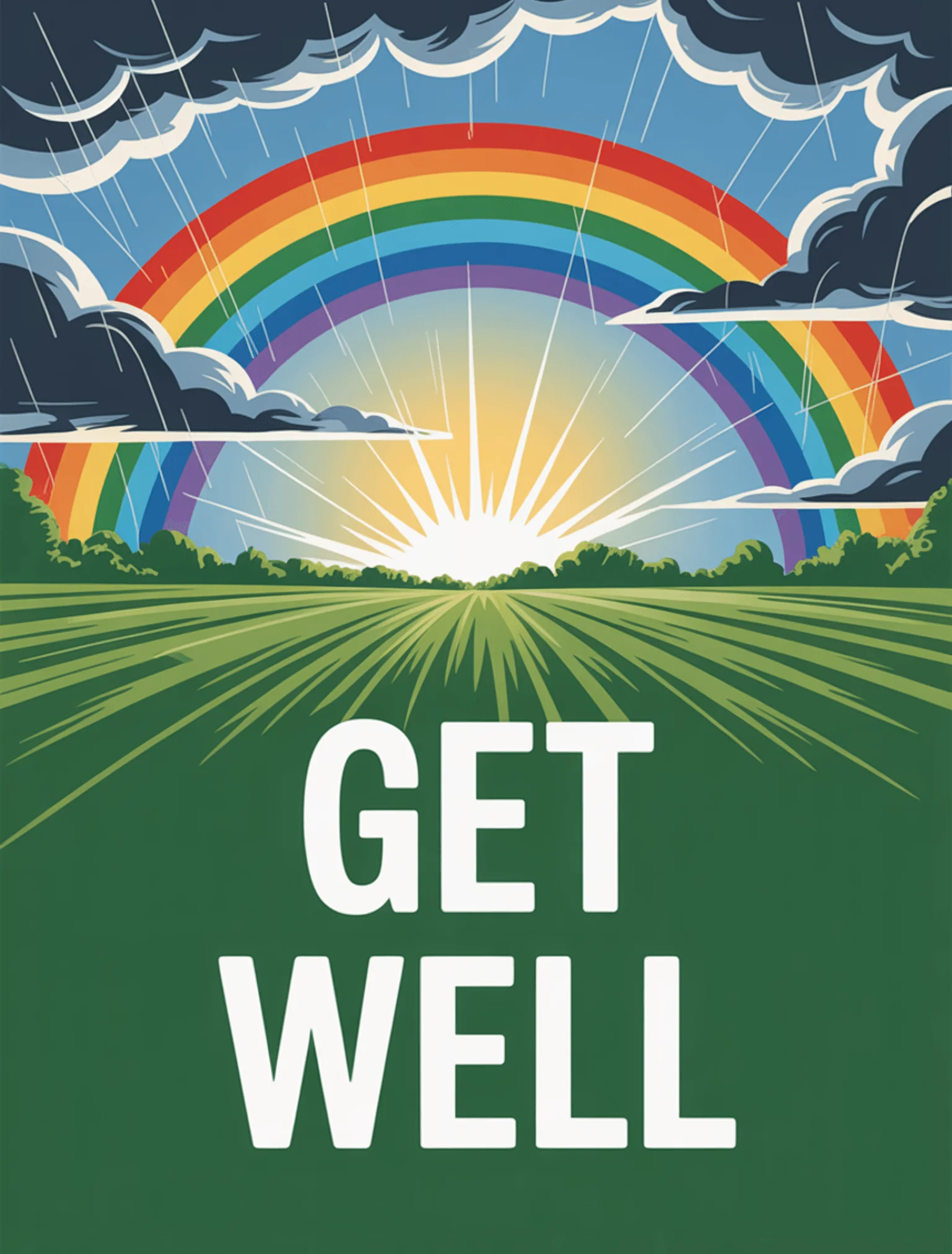
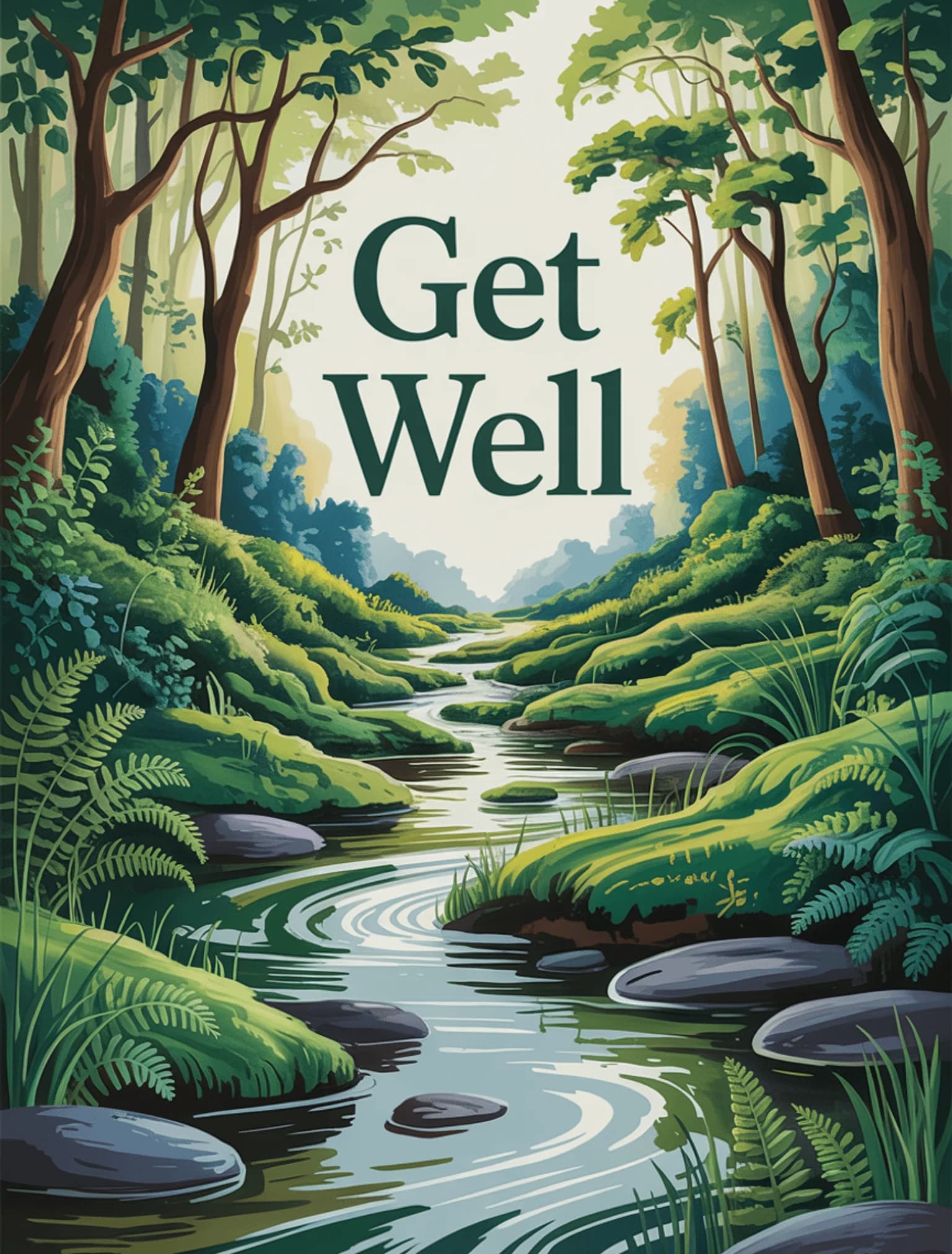
Get Well Encouragement Cards
Within Encouragement Cards
When someone you care about is stuck in a hospital bed, grinding through chemotherapy, or just trying to get upright after a bad surgery, a text message lands like a pebble dropped into a well, gone before it means anything. This is the specific moment where a physical card does something digital communication simply cannot: it sits on a nightstand, gets re-read at 2 a.m., and proves that someone took real time to think about them. Get well encouragement cards occupy a narrow, important lane, they are not celebratory, not grieving, but forward-looking. The right words say "I see how hard this is, and I believe you will get through it."
Cards From You writes each card by hand in real ink, not printed font designed to mimic handwriting, and mails it directly to your recipient anywhere in the United States. You choose the card, write your message in the order form, and a real person puts pen to paper. You can schedule delivery around a surgery date, a treatment cycle, or the first week home from the hospital, the timing when a card matters most. No printing, no envelope-licking, no post office trip required from you.
From $0.99 digital, $7.24 mailedPostage includedReal pen & ink
Featured Encouragement












Browse Related
Frequently Asked
When is the best time to send a get well encouragement card, right away or after a few days?
It depends on the situation. For surgery or a hospital stay, aim to time the card so it arrives during the first week of recovery at home, when the initial wave of support has faded and isolation sets in. Cards From You lets you schedule a send date, so you can plan delivery around a known procedure date rather than guessing.
What should I actually write in a get well encouragement card? I don't want to sound hollow.
Skip generic phrases like 'feel better soon' and instead acknowledge the specific difficulty, a long recovery, a tough diagnosis, weeks of treatment, then express one concrete thing you are willing to do, like dropping off food or being available to talk. Specificity is what separates a card that gets saved from one that gets recycled.
Can I send a get well card to someone I'm not super close to, like a coworker or neighbor?
Yes, and a brief, warm card is often more appropriate than a longer one in that case, a sentence or two acknowledging what they are going through and wishing them a steady recovery is enough. Keep the tone supportive without being overly personal, and avoid referencing medical details you only know secondhand.