Loading...
Caregiver Support Cards
Within Encouragement Cards
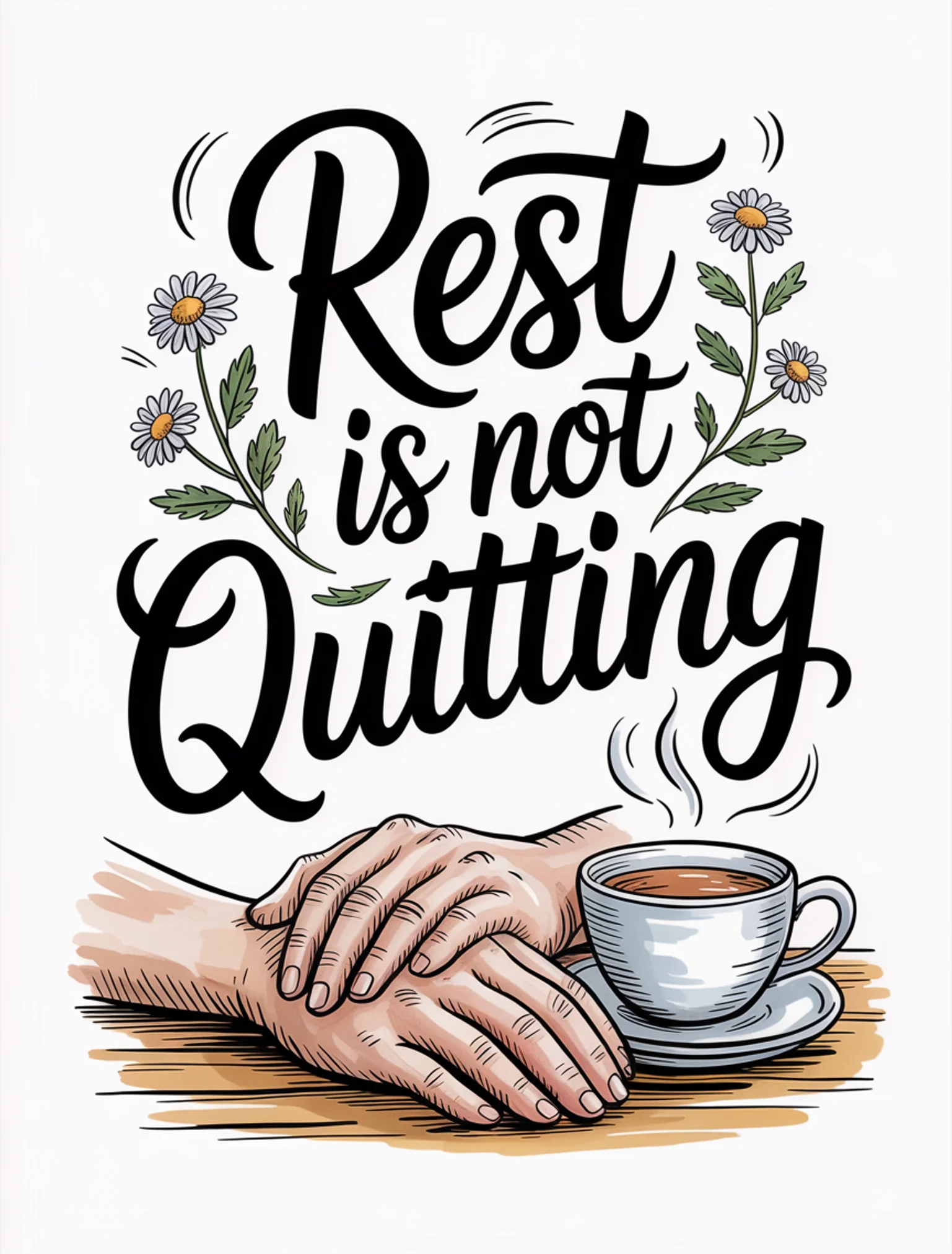
Caregiving is relentless in a way that most people never acknowledge out loud. Whether someone is caring for an aging parent with dementia, a partner going through chemotherapy, or a child with a chronic illness, the emotional weight accumulates quietly, and the caregiver almost never gets asked how they are doing. A handwritten card cut through that silence in a way a text message or a social media comment simply cannot. It signals that someone stopped, thought specifically about them, and put something physical in the world on their behalf.
Cards From You makes it possible to send a real card written in real ink, addressed by hand, and mailed directly to the caregiver, without you needing to find a stamp or remember to drop it in a mailbox. You can schedule cards to arrive on a difficult anniversary, the end of a treatment cycle, or just a random Tuesday when you know the weight tends to feel heaviest. You write the message you actually want to say, and we handle everything else. For a population of people who spend every day showing up for someone else, receiving something tangible in the mail is not a small thing.
From $0.99 digital, $7.24 mailedPostage includedReal pen & ink
Featured Encouragement










Browse Related
Frequently Asked
What should I actually write in a card for someone who is a full-time caregiver?
Be specific rather than general, reference what you know about their situation, even briefly. Something like "I know the nights are the hardest part" lands harder than "I'm thinking of you." Avoid framing the card around the person they're caring for; this card is for the caregiver, so keep the focus on them and what they're carrying.
Is there a wrong time to send a caregiver support card, or should I wait for a milestone?
Do not wait for a milestone. Caregivers receive attention around diagnoses and deaths, but the long middle stretch, months or years of daily caregiving, is when support disappears and exhaustion peaks. A card sent on an ordinary week is often more meaningful than one sent around a hospital admission.
Can I schedule a series of cards to be sent to the same caregiver over several months?
Yes. You can set up multiple cards to mail at different dates, which is especially useful when you know someone is in a long caregiving season with no clear end date. Spacing them out, say, one every four to six weeks, means the caregiver keeps receiving something real and personal throughout, not just at the beginning.