Loading...
Military Thank You Cards
Within Thank You Cards
Thanking a soldier, firefighter, paramedic, or police officer is not the same as thanking a colleague for covering your shift. These are people who accepted personal risk as a condition of the job, and a text message or a Facebook comment does not carry the weight that moment deserves. A handwritten card does, not because it is old-fashioned, but because it takes deliberate effort, and effort is exactly what you are trying to communicate. Whether you are writing to a deployed family member coming home, a first responder who worked a disaster, or a veteran you have known for decades and never properly thanked, the physical card sitting in their hands says something a screen cannot.
Cards From You makes it straightforward: you pick your card, write your message, and a real person writes it out in real ink, not a printed font meant to look handwritten, but actual pen on paper. The card is then addressed and mailed directly to the recipient anywhere in the United States. You can schedule it to arrive around a homecoming date, a deployment anniversary, or the end of a tour without being in front of your computer that week. That kind of intentionality is exactly what this kind of thank-you calls for.
From $0.99 digital, $7.24 mailedPostage includedReal pen & ink
Featured Thank You

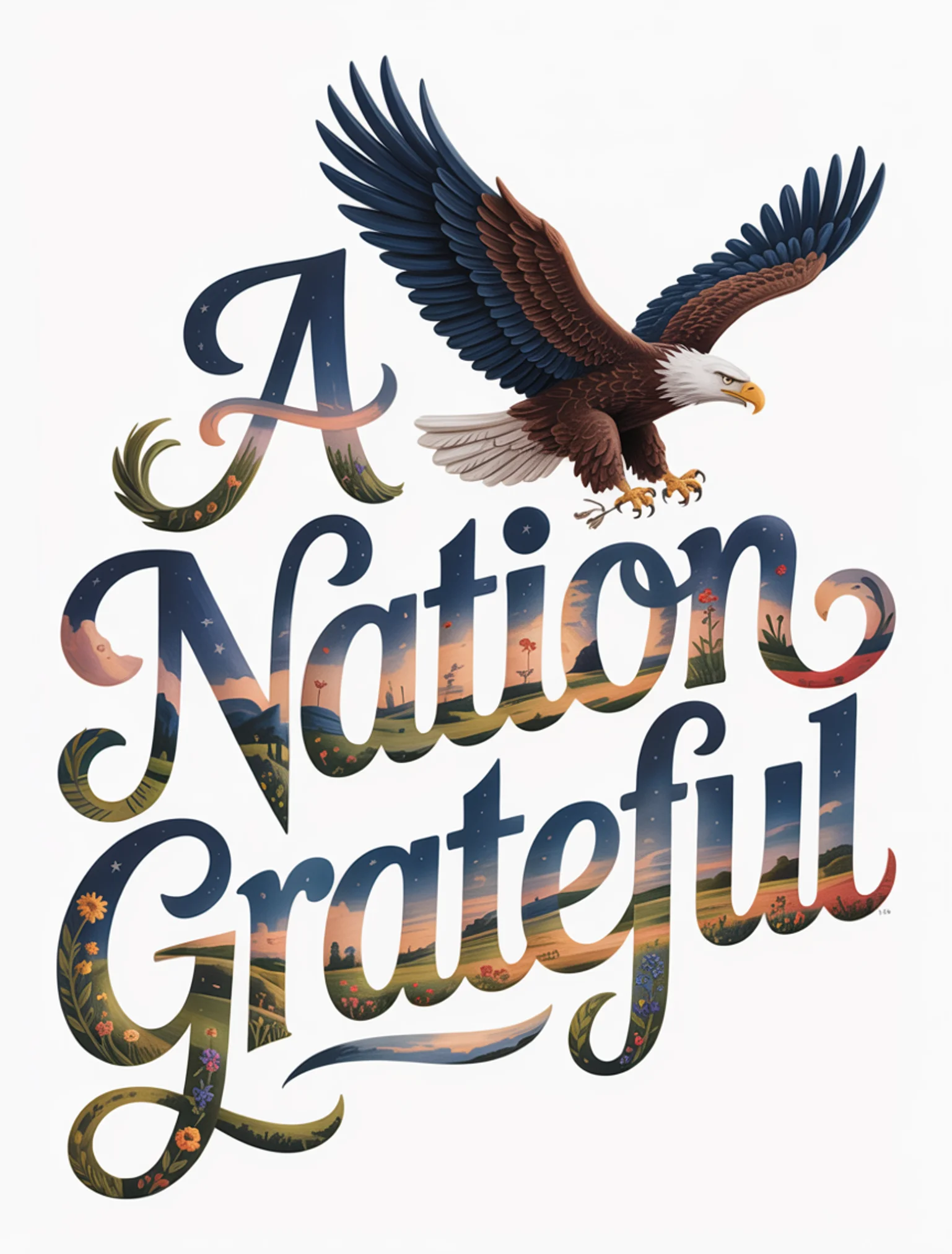
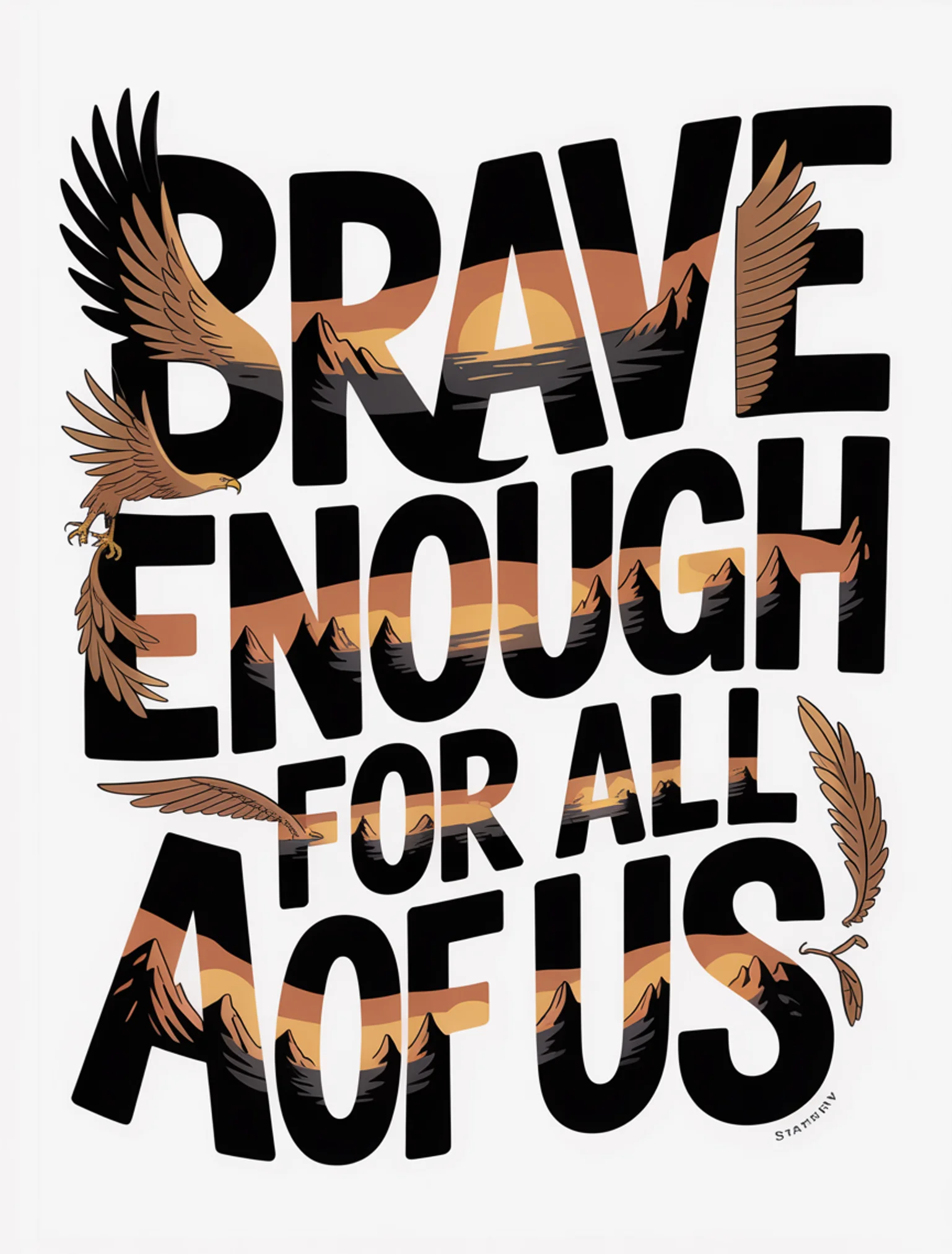
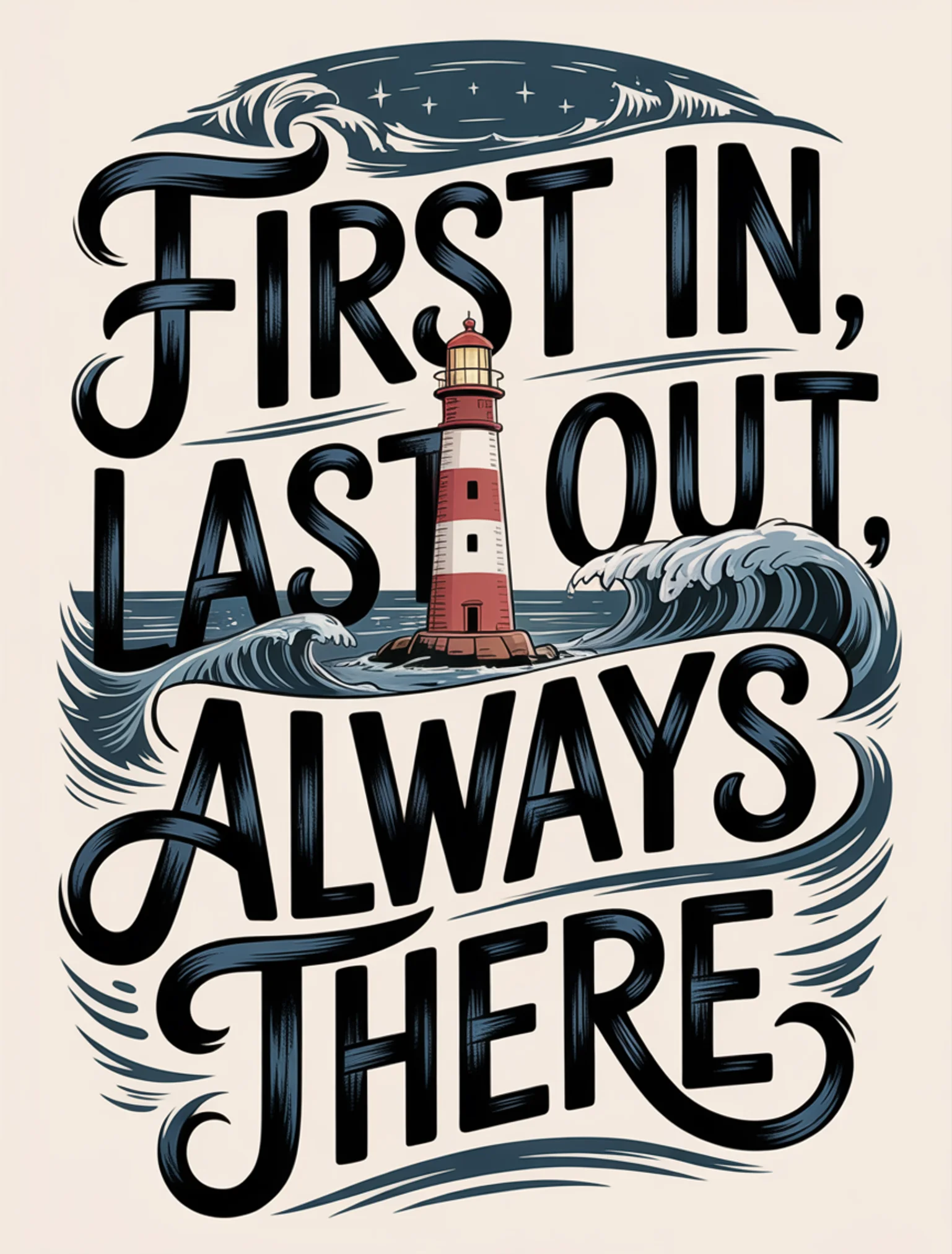
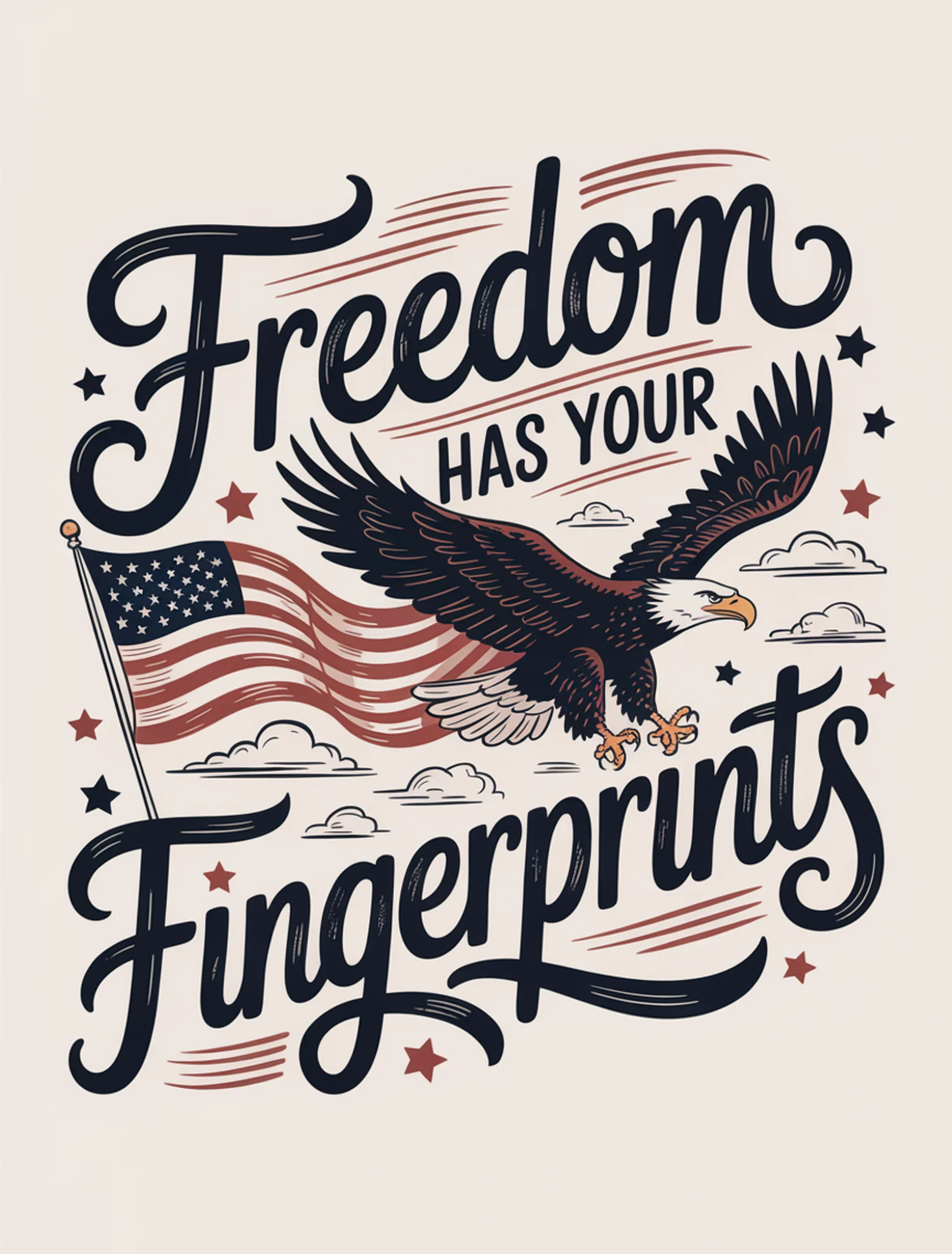







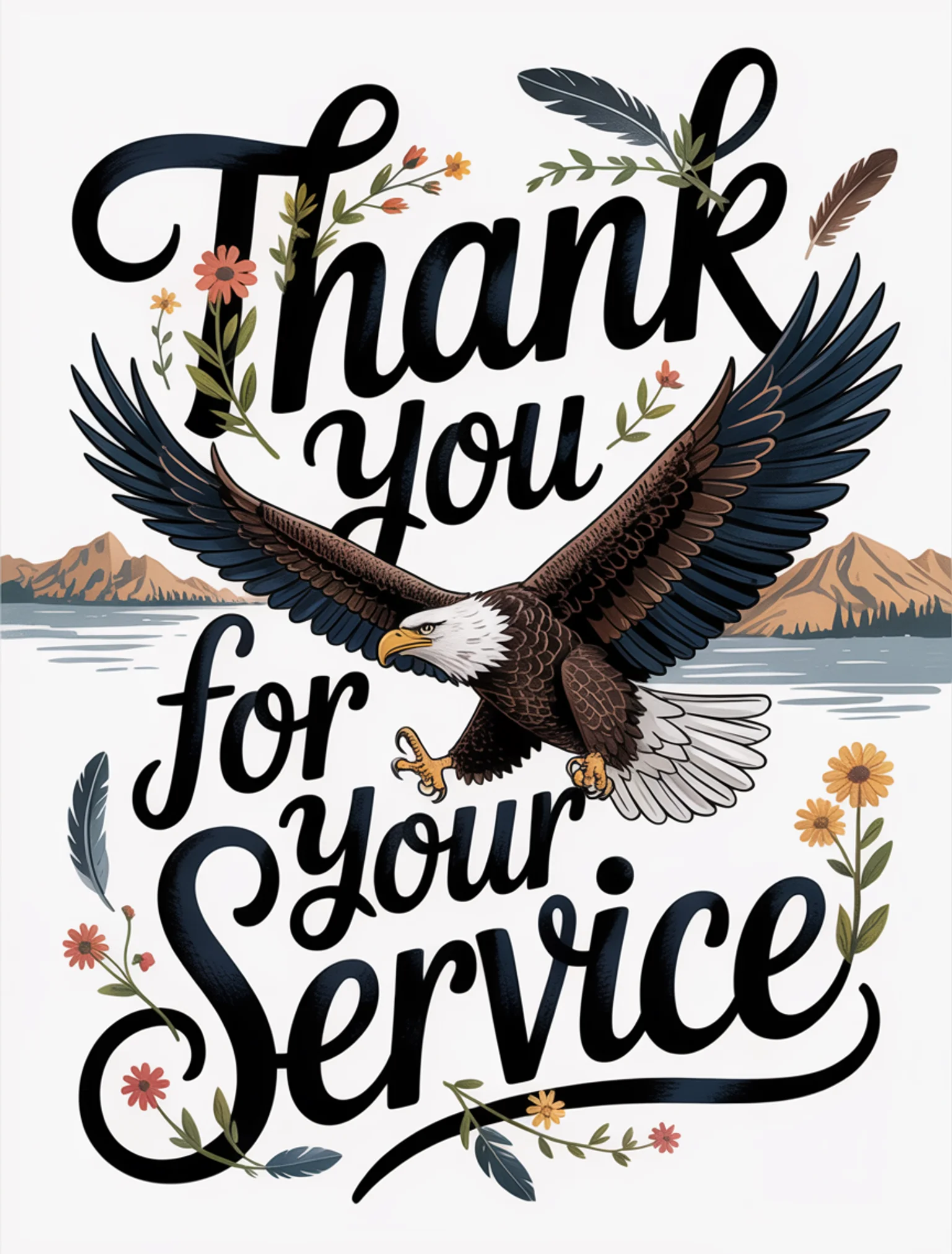




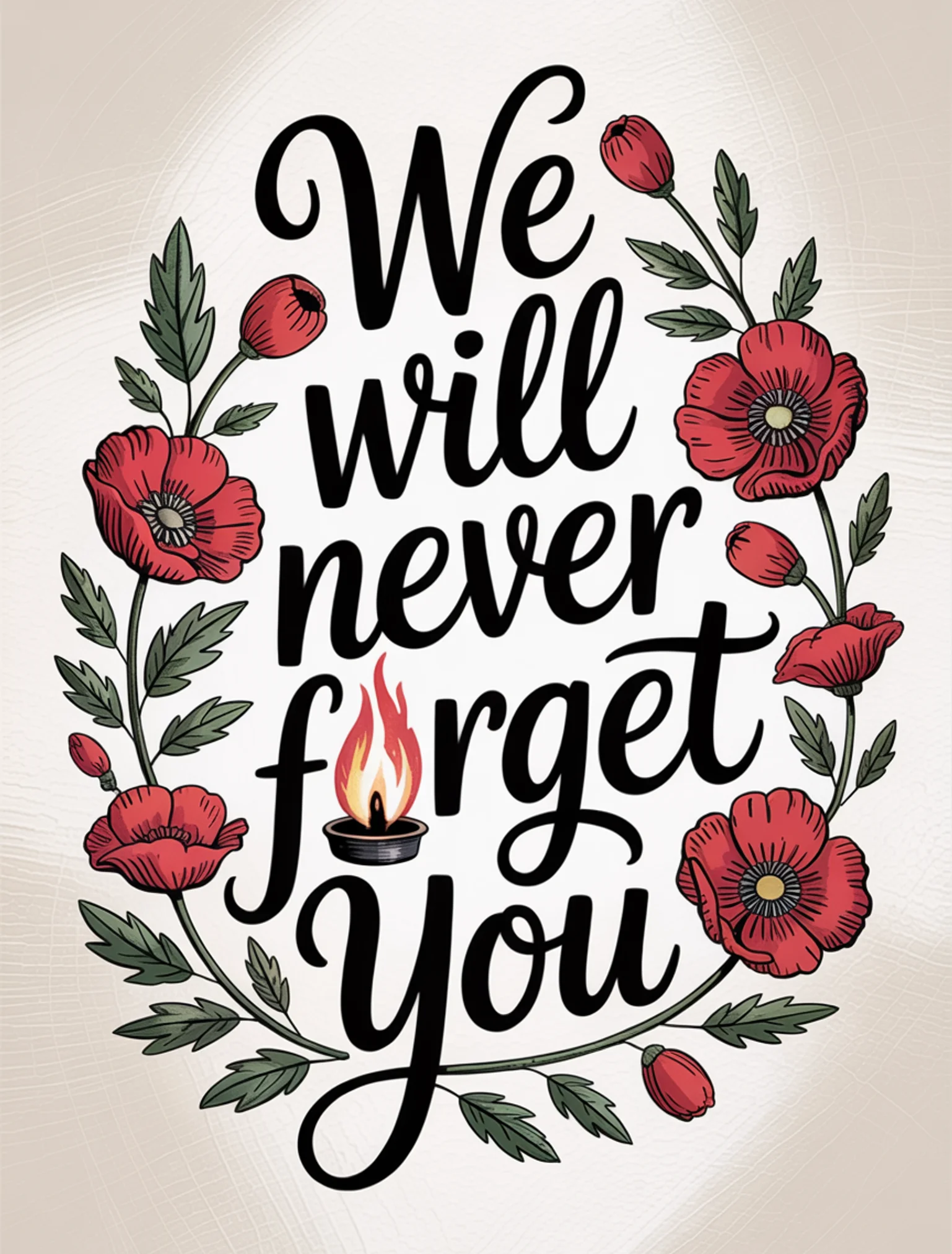
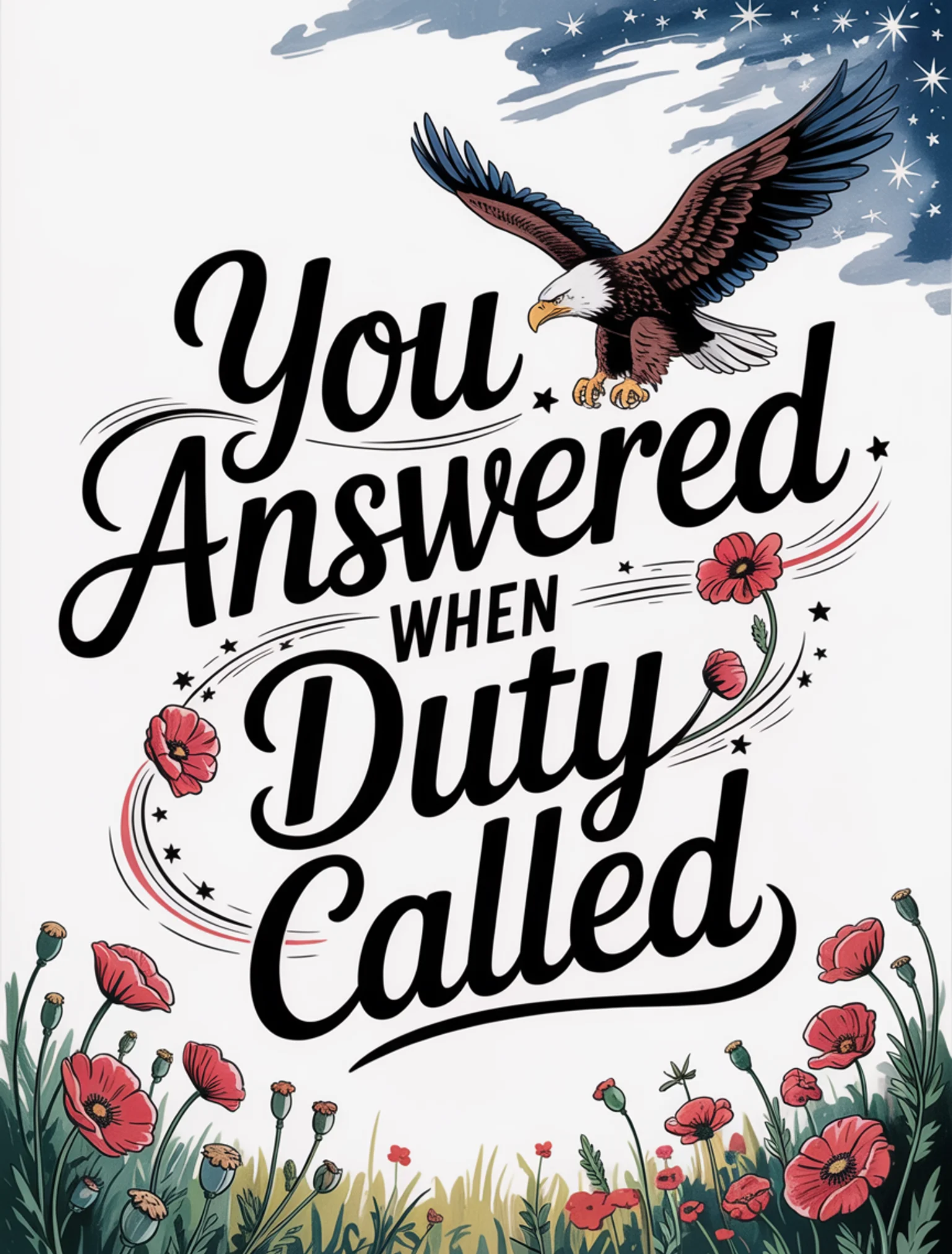

Browse Related
All Thank You CardsGeneralWeddingBabyGraduationHolidayTeacherDoctor & NurseNeighborMentor & CoachVolunteerHost & HostessGiftKindnessBoss & ManagerFriendship
Reading on this topic
Frequently Asked
What should I write in a thank-you card to a military member or first responder?
Be specific rather than general, mention what they did, when, or what their service meant to your family or community. Phrases like 'your deployment last year affected all of us more than you know' land harder than 'thank you for your service.' If you are stuck, focus on one concrete thing: a specific moment, a specific sacrifice, or a specific way their work changed something for you.
When is the right time to send a military or first responder thank-you card?
There is no wrong time, but the most meaningful moments tend to be homecomings, end-of-tour transitions, retirements, and the anniversaries of significant events like deployments or emergency responses. For active first responders, sending a card after a high-profile local incident, a major fire, a flood response, is timely and specific enough to feel personal rather than generic.
Can I send a card to someone who is currently deployed overseas?
Cards From You mails within the United States, so the card would need to go to a stateside address, a spouse, parent, or family member who can forward it, or held for the recipient's return. If you want the card waiting when they get home, you can schedule the send date around their expected return so it arrives close to homecoming.