Loading...
Baby Thank You Cards
Within Thank You Cards
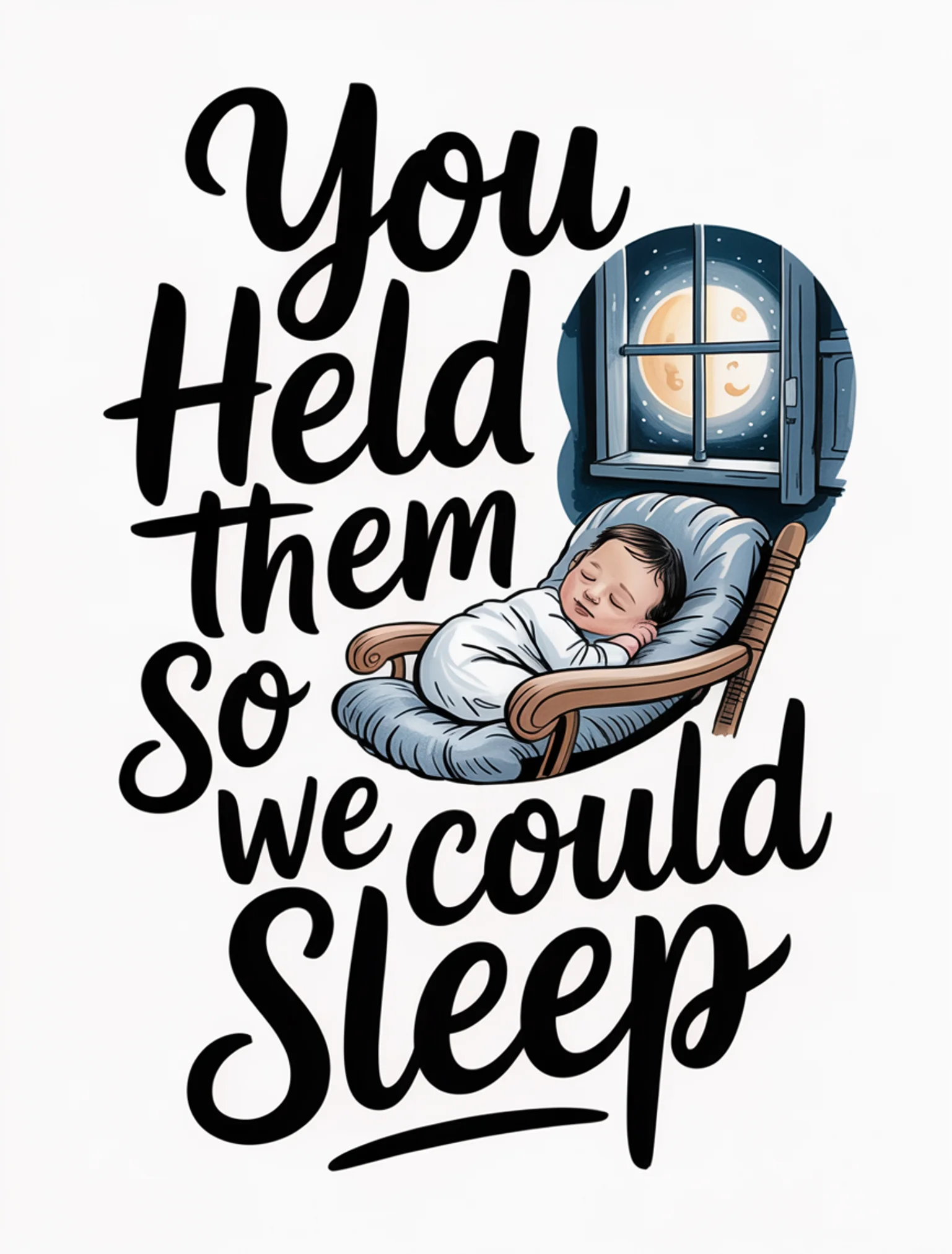
A new baby arrives with a flood of generosity, onesies in three sizes, a stroller that took forty minutes to assemble, a handmade quilt from someone who drove four hours to meet the baby. Those gifts deserve more than a group text or a copy-pasted email. A handwritten thank you card is the one response that actually matches the weight of what people gave, and for baby gifts specifically, it tends to land harder because the givers know exactly how little sleep you're running on. That effort reads loud.
Cards From You takes the logistical pressure off entirely. You write your message, or choose from prompts, and a real person writes it out in real ink on a physical card, seals it, addresses it, and mails it to whoever is on your list. You can schedule sends in advance, which means you can set this up during a quiet moment at week three and have cards arriving at your relatives' mailboxes by week six. No printer, no post office run, no guilt spiral about the stack of blank cards sitting on the kitchen counter. Just a real handwritten card, sent for you, while you focus on the baby.
From $0.99 digital, $7.24 mailedPostage includedReal pen & ink
Featured Thank You










Browse Related
All Thank You CardsGeneralWeddingGraduationHolidayTeacherDoctor & NurseMilitary & First ResponderNeighborMentor & CoachVolunteerHost & HostessGiftKindnessBoss & ManagerFriendship
Reading on this topic
Frequently Asked
How long after a baby shower or birth do I have to send thank you cards?
The widely accepted window is within three months of the birth or shower, but most etiquette guides agree that two to four weeks after you've settled in at home is the sweet spot. If you're past that window, send them anyway, a late card is always better than no card, and most people understand the reality of a newborn at home.
What should I actually write in a baby thank you card?
Name the specific gift, say something real about how you'll use it, and mention the baby by name if you have one. For example: 'The swaddle blankets from Aunt Carol have already logged serious hours, Maya refuses to sleep without one.' Avoid generic phrases like 'we so appreciate your thoughtfulness' and write like you'd talk to that person in person.
Can I send baby thank you cards to a long list of people without writing each one individually?
Yes, you can personalize each card with a different message and recipient address, so the card a grandparent receives reads differently from the one going to a coworker who chipped in on a group gift. The key is keeping each message specific enough that it doesn't feel like a mail merge, even if the process behind it is efficient.