Loading...
Surprise Party Invitations
Within Invitation Cards
A surprise party lives or dies on secrecy, and nothing tests that secrecy harder than the invitation itself. Send a group text and someone screenshots it. Post in a Facebook event and the guest of honor's cousin accidentally tags them. A physical card mailed directly to each guest sidesteps all of that, it arrives privately, it feels deliberate, and it signals to every recipient that this is worth showing up for. That combination of discretion and weight is exactly why a handwritten card in real ink is the right format for a surprise party invitation, not a fallback option.
Cards From You writes and mails each invitation by hand, in real ink, so your guests receive something that looks and feels like it came from you personally, because the sentiment did. You can schedule the send date to land two to three weeks before the party, giving guests enough lead time without the invitation sitting around long enough to cause a slip. Each card can include the venue, the cover story you want guests to use if they run into the guest of honor, and the hard stop time for arrival. No printing, no stuffing envelopes, no post office runs.
From $0.99 digital, $7.24 mailedPostage includedReal pen & ink
Featured Invitations













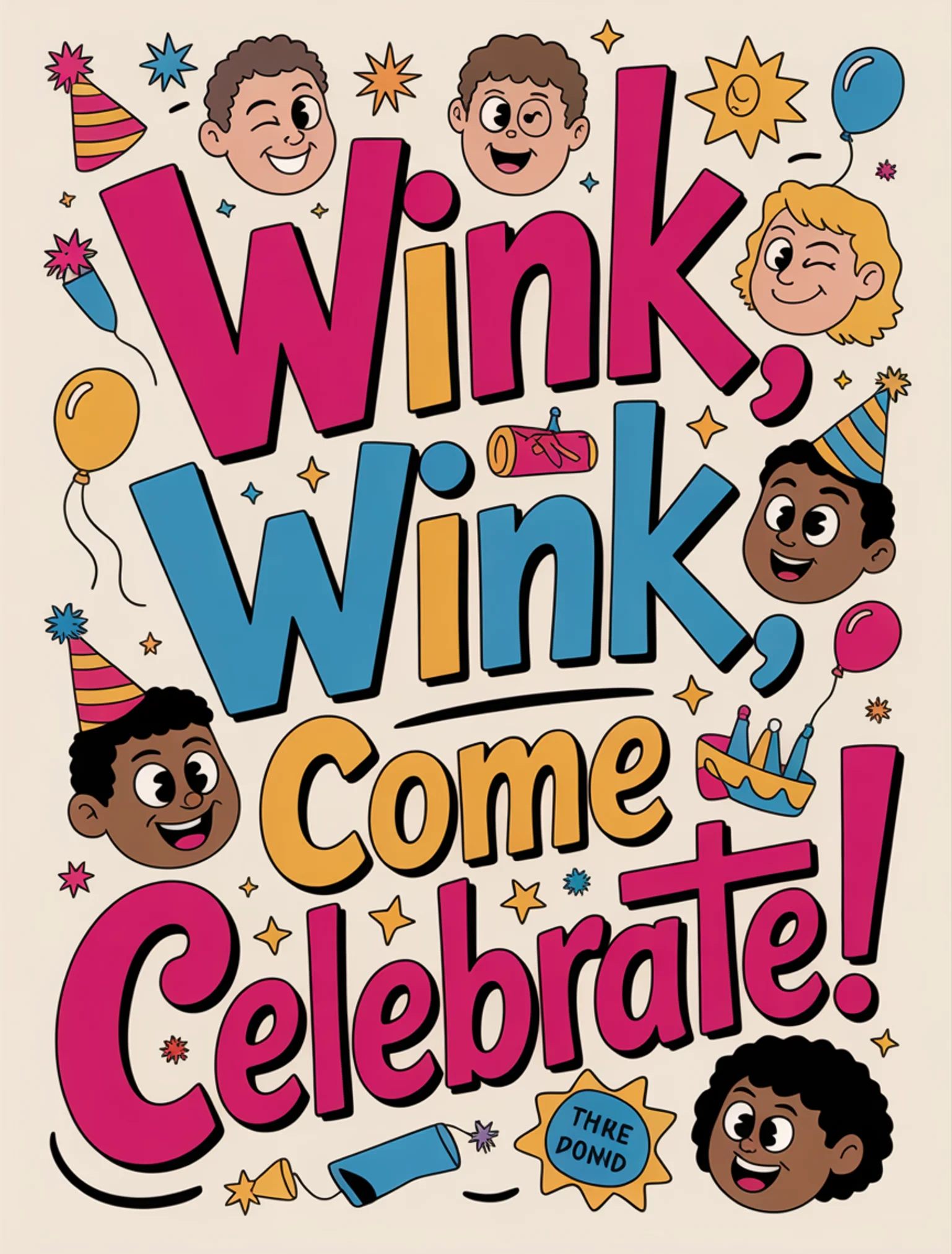


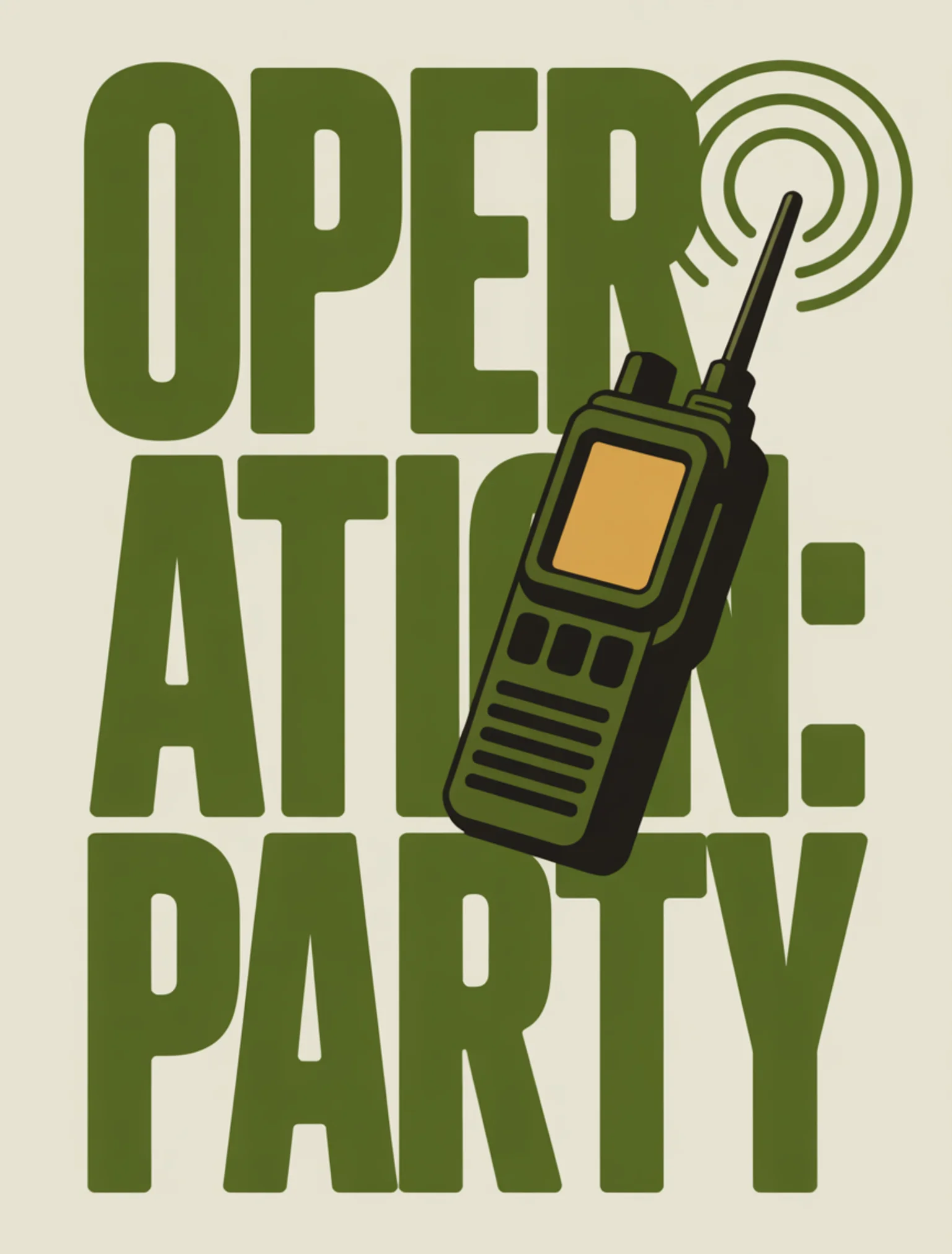



Browse Related
Frequently Asked
How far in advance should I send surprise party invitations?
Three weeks is the practical sweet spot, far enough out that guests can clear their schedules, but close enough that the secret is less likely to leak. If you're inviting people who need to travel or arrange childcare, push it to four weeks and add a firm RSVP deadline of at least ten days before the party.
What should I actually write inside a surprise party invitation?
Cover the essentials in this order: the honoree's name, the date and exact arrival time guests need to be there before the guest of honor arrives, the venue address, a brief cover story guests can use if asked, and your RSVP contact. A line like 'Please arrive by 6:45, we expect [name] at 7:00' does more work than any decorative phrasing.
Can I customize each card, or does everyone get the same message?
You can personalize individual cards with each guest's name and any specific instructions, for example, telling one guest to park on the side street or reminding a family member to keep the kids quiet about it. Guests who feel personally addressed are also more likely to take the secrecy request seriously.