Loading...
Baby Shower Invitations
Within Invitation Cards
A baby shower invitation is not just a logistical notice, it is the first physical object that tells someone they are wanted in the room when a new life is being welcomed. It sets the tone before anyone picks out a gift or drives across town. A printed e-vite or a group text gets the information across, but it does not get kept. A card written in real ink, addressed by hand, and pulled from a mailbox does. That difference is not sentimental; it is practical. People hold onto it, pin it to the fridge, and remember who sent it.
Cards From You handles the entire process so the host, who is already coordinating food, games, and a gift registry, does not have to hand-address a stack of envelopes at midnight. Every invitation is handwritten in real ink by a real person, not printed to mimic handwriting. You provide the guest list and the message, choose your send date, and the cards go out on schedule. For a shower happening six to eight weeks out, that timing window is exactly right, guests get enough notice to travel, request time off, or arrange childcare without the invitation arriving so early it gets buried under other mail.
From $0.99 digital, $7.24 mailedPostage includedReal pen & ink
Featured Invitations















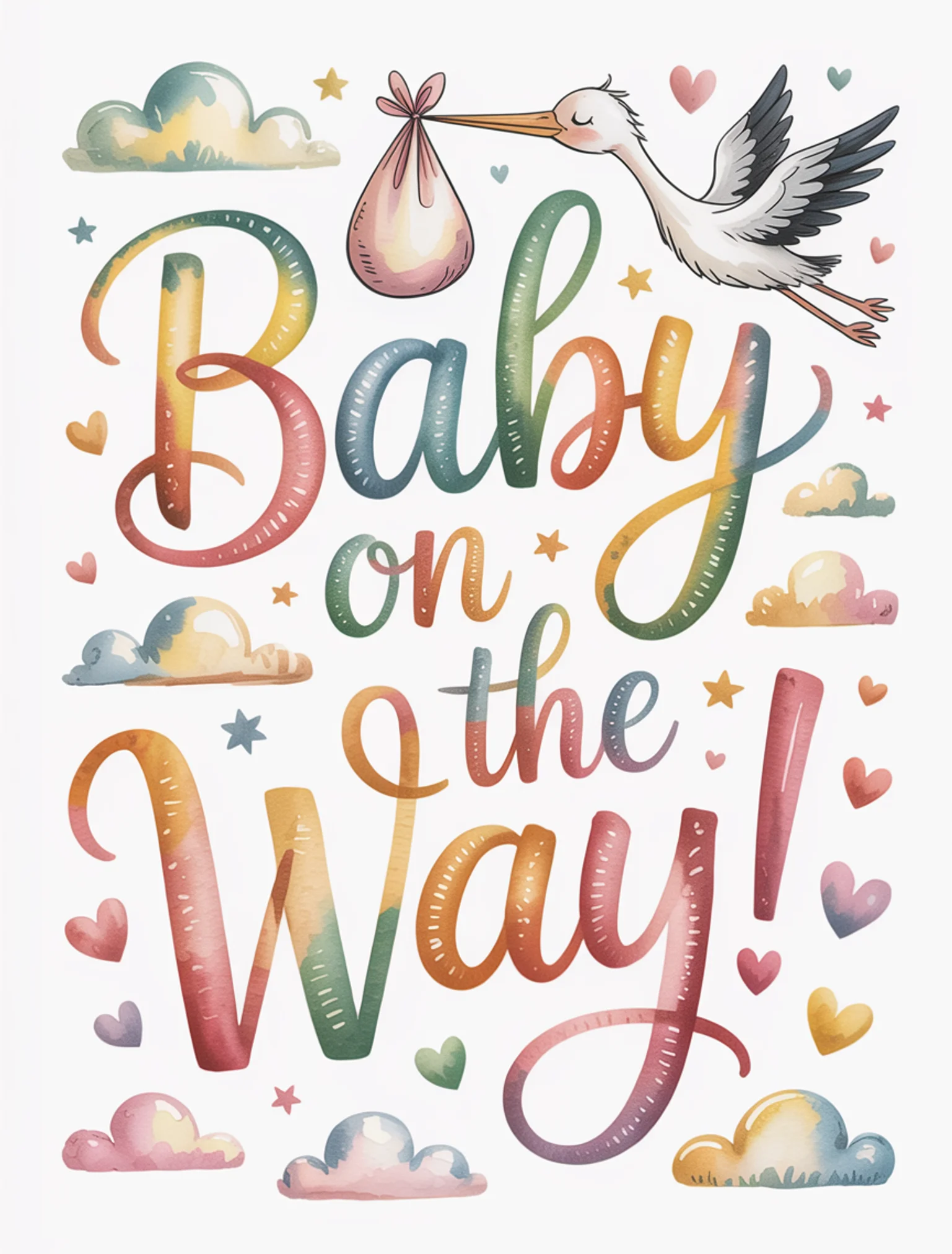
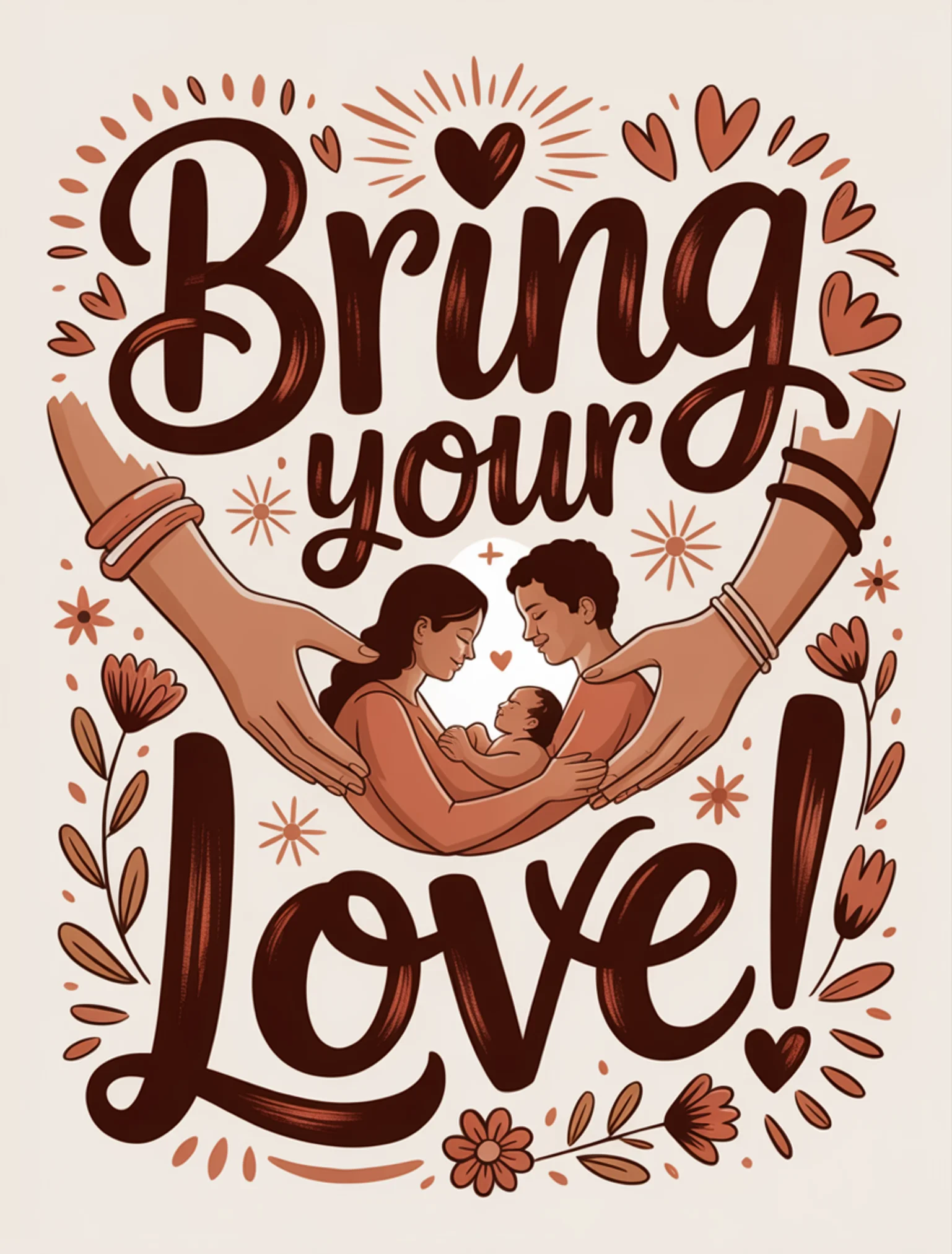


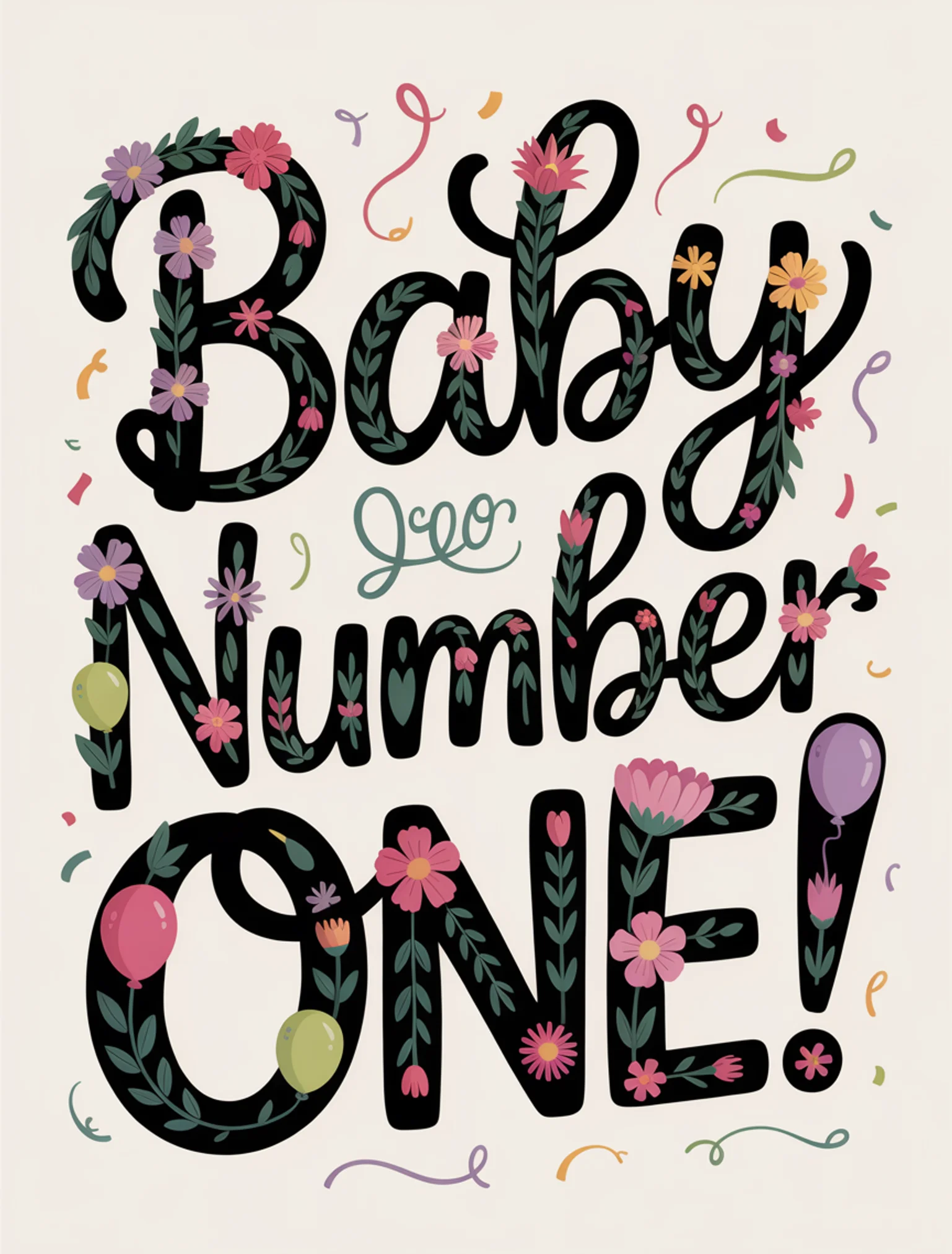



Browse Related
Frequently Asked
How far in advance should I send baby shower invitations?
Four to six weeks before the shower is the standard window, but six to eight weeks is better if any guests are traveling or need to arrange time off work. If the shower is co-ed or involves a destination, lean toward the longer end. Sending too early, more than ten weeks out, risks the card being forgotten before the RSVP deadline arrives.
What information do I need to include on a baby shower invitation?
At minimum: the honoree's name, date, start time, location (full address), RSVP deadline, and a contact name or method for RSVPs. If there is a registry, it is acceptable to include where it is hosted, most guests expect it and appreciate not having to hunt for it. Note any theme or dress code only if it genuinely affects what guests should wear or bring.
Can I customize the message on each card, or does everyone get the same text?
You can send every guest an identical message, which is common for invitations, or add a short personal note to individual cards, useful if some guests are close friends versus coworkers or extended family. A one-sentence personal addition, like referencing how the honoree knows that guest, makes the invitation feel deliberate rather than mass-produced.