Loading...
Sympathy Cards for Loss of Grandparent
Within Sympathy Cards
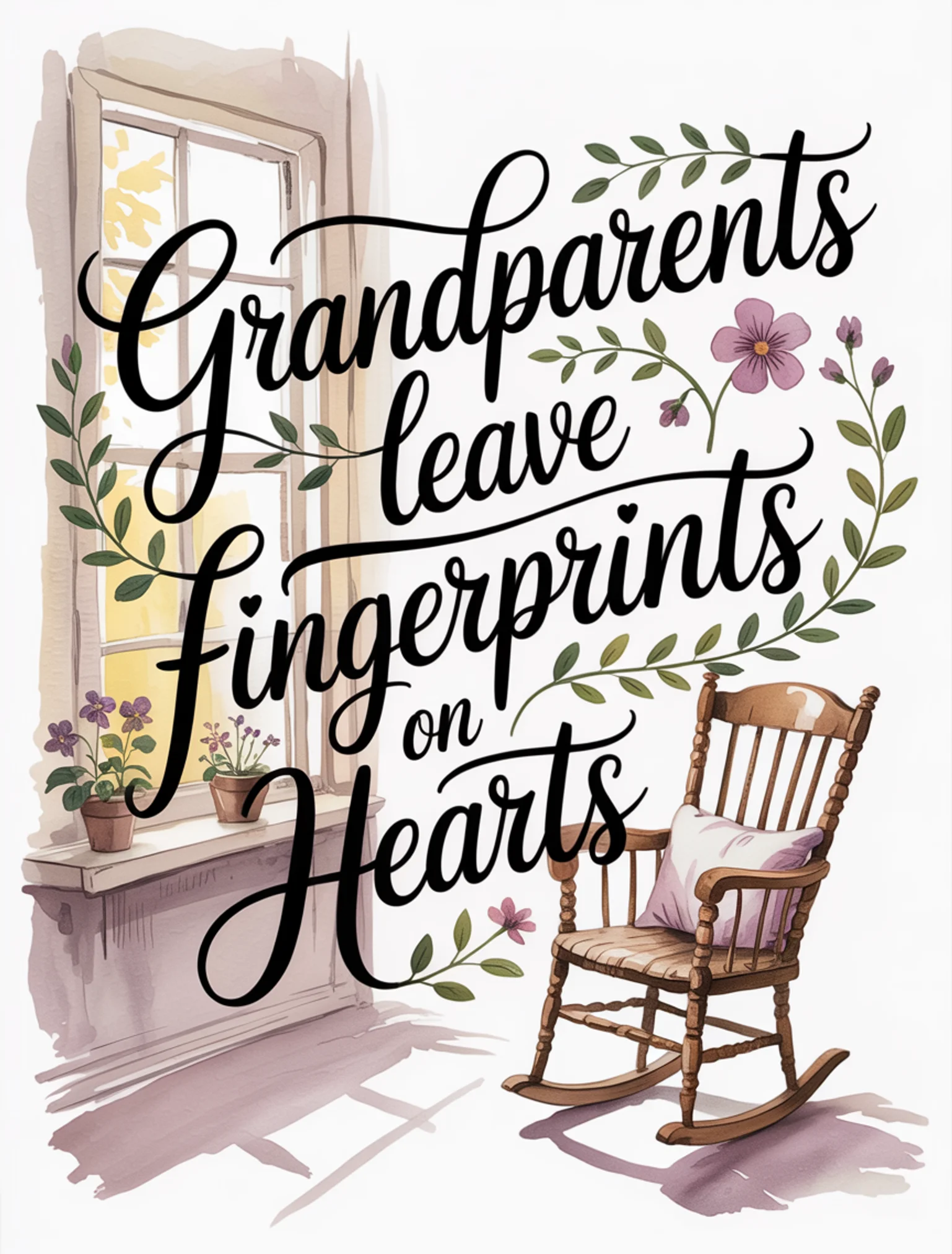
Losing a grandparent sits in its own particular grief, one that carries decades of shared history, the smell of a specific kitchen, the memory of a voice that always picked up the phone. The people closest to that loss are often adults who grew up with this person as a fixed point in their lives, and a text message or a social media comment lands nowhere near what the moment deserves. A card that arrives in a mailbox, written by hand in real ink, does something a digital message cannot: it signals that someone slowed down, thought carefully, and put something permanent into the world on behalf of a person who mattered.
Cards From You handles every step of that process, a real person writes your message by hand in real ink, seals it in an envelope, and mails it directly to the recipient anywhere in the United States. You can schedule delivery so the card arrives within days of the funeral, or time it for two or three weeks later when the initial wave of condolences has quieted and grief tends to feel lonelier. You choose the card, write your message, and we take care of the rest, no printer, no post office, no last-minute scramble.
From $0.99 digital, $7.24 mailedPostage includedReal pen & ink
Featured Sympathy























Browse Related
All Sympathy CardsGeneralPet LossLoss of ParentLoss of SpouseLoss of ChildLoss of FriendLoss of SiblingMiscarriageLoss AnniversaryThinking of You
Reading on this topic
Frequently Asked
When is the right time to send a sympathy card for the loss of a grandparent?
Sending within a week of learning about the death is ideal, but a card that arrives two or three weeks later is often more meaningful, that's when the funeral flowers have died and the casseroles have stopped coming. There is no window after which a condolence card becomes inappropriate; a heartfelt note sent a month out is still received with genuine gratitude.
What should I actually write in a sympathy card for someone who lost their grandparent?
Be specific rather than general, mention the grandparent by name, and if you knew them, include one concrete detail: a trait, a memory, something they were known for. If you didn't know them personally, acknowledge what you've heard or observed about the relationship. Avoid phrases like 'they're in a better place' unless you know the recipient shares that belief.
Can I send a sympathy card for a grandparent's death even if I'm not close to the person grieving?
Yes, a coworker, neighbor, or acquaintance who has lost a grandparent will notice and appreciate a card more than you might expect, precisely because most people assume the relationship wasn't close enough to warrant one. Keep the message brief and warm; you don't need to have known the grandparent to acknowledge that the loss is real.