Loading...
Hanukkah Cards
Within Holiday Cards
Hanukkah lasts eight nights, which means there are eight chances to make someone feel genuinely seen, not just included in a mass holiday mailing. Whether you're sending to a Jewish friend, a family member lighting the menorah across the country, or a colleague you want to acknowledge with real intention, a handwritten card carries something a text or an e-card simply cannot: the physical evidence that you stopped, thought of them specifically, and put ink on paper. That specificity matters during a holiday that is often lumped into generic "holiday season" gestures by people who don't quite know what to say.
Cards From You handles the entire process so the card arrives looking like you wrote and mailed it yourself, because someone did, in real ink, by hand. You choose the design, write your message, and we take it from there: a real person writes your words on the card, seals it, and mails it directly to your recipient anywhere in the United States. You can schedule delivery to land during the eight days of Hanukkah, which this year begin at sundown on December 25. Sending early in the holiday rather than scrambling on the last night is always the right call.
From $0.99 digital, $7.24 mailedPostage includedReal pen & ink
Featured Holiday

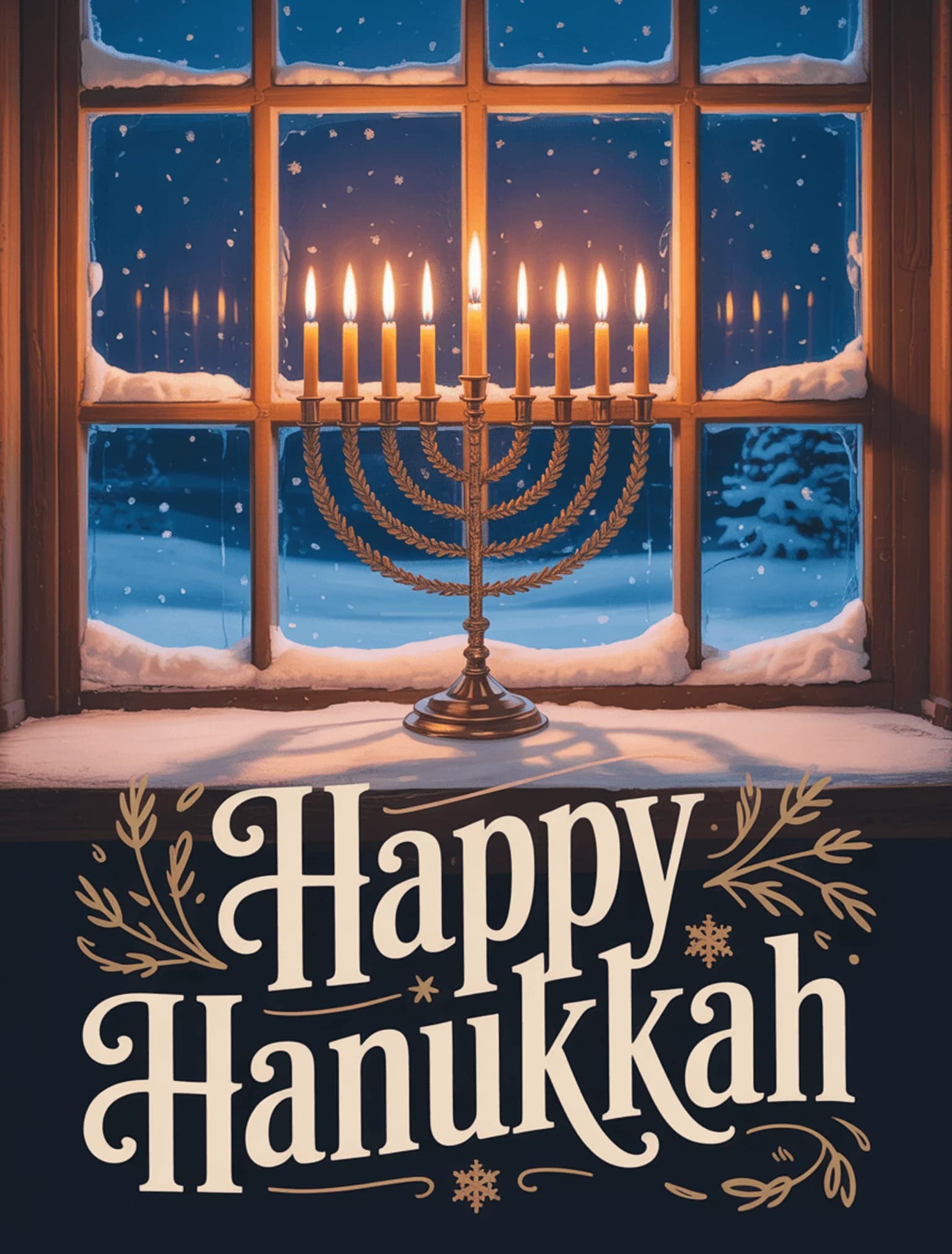
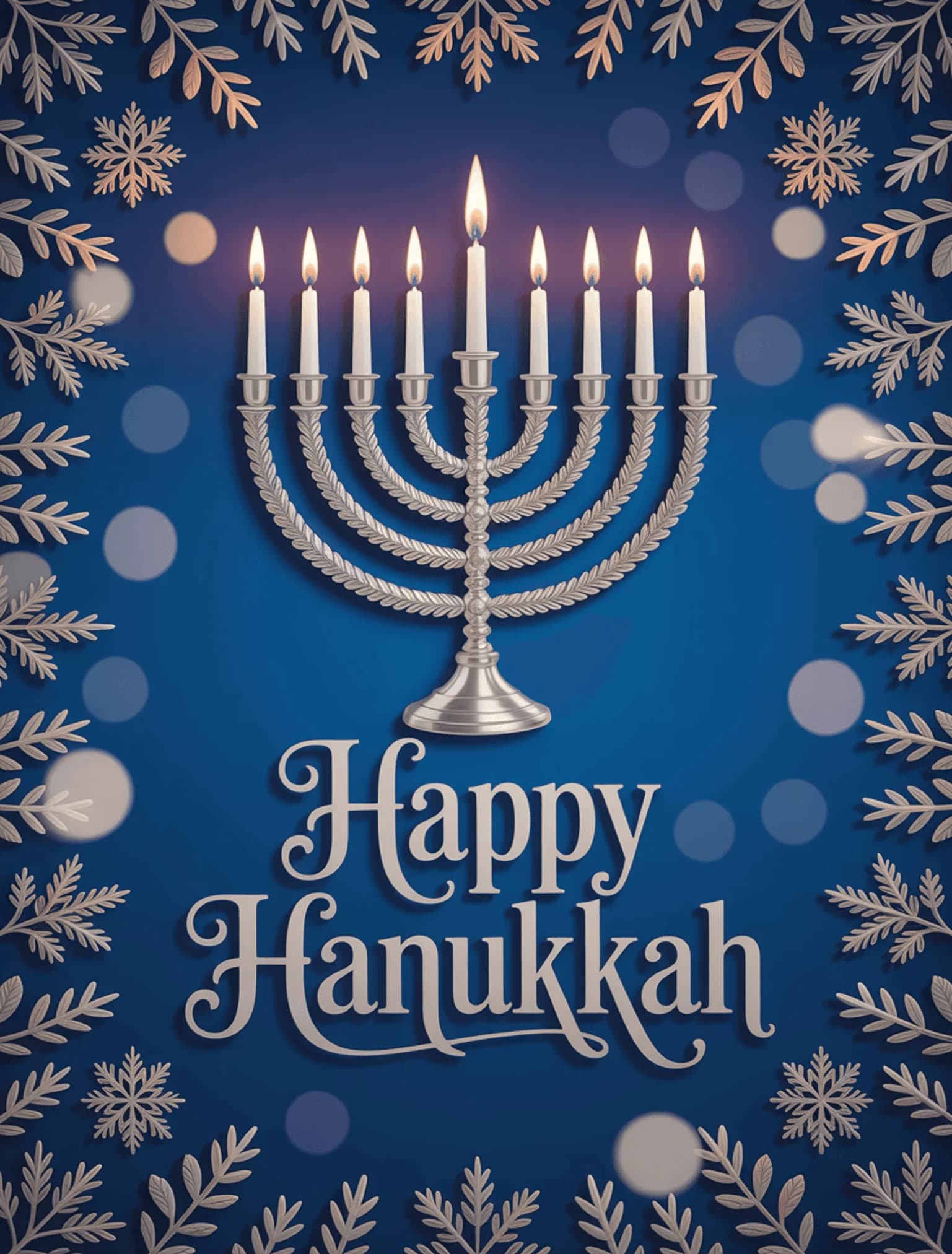
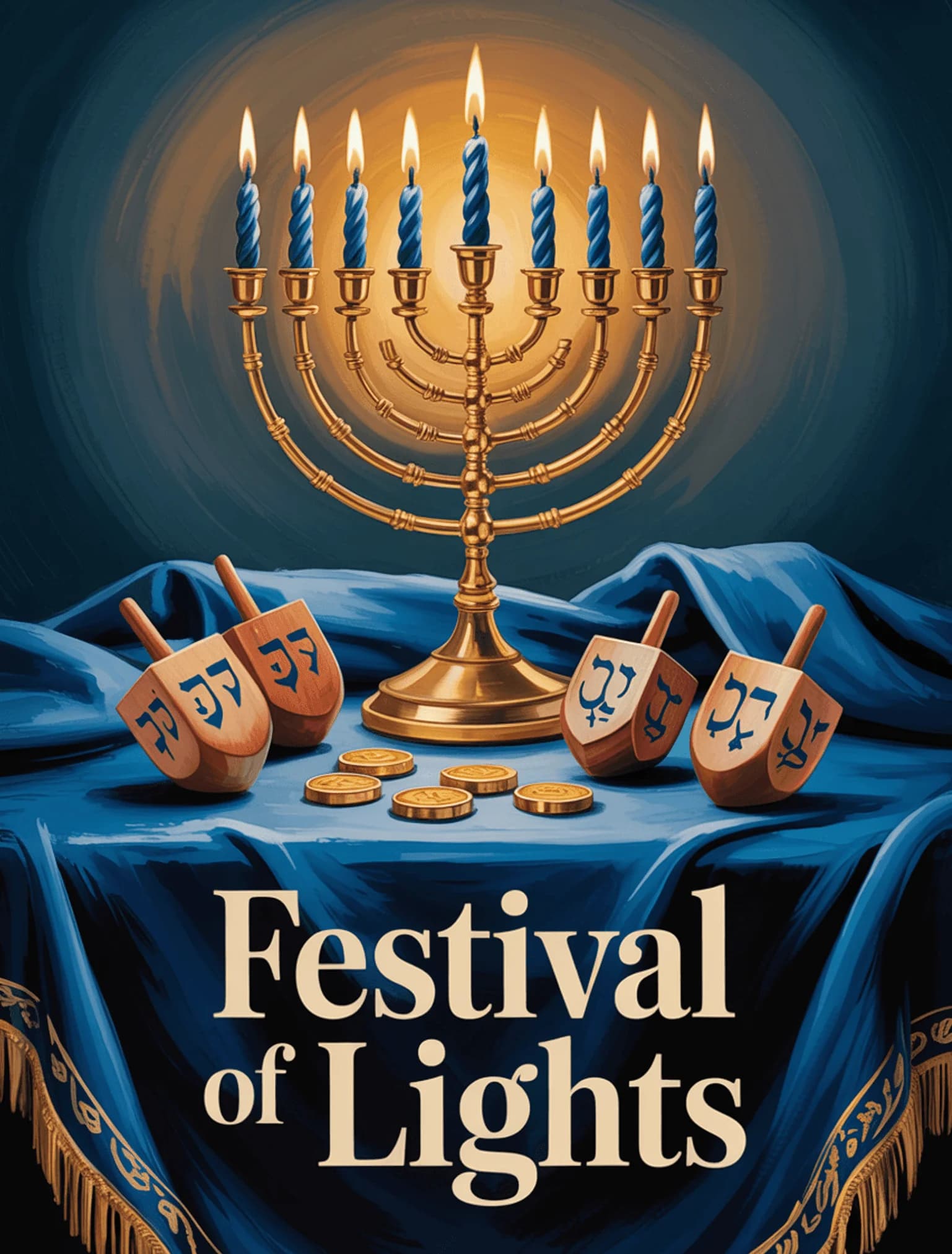
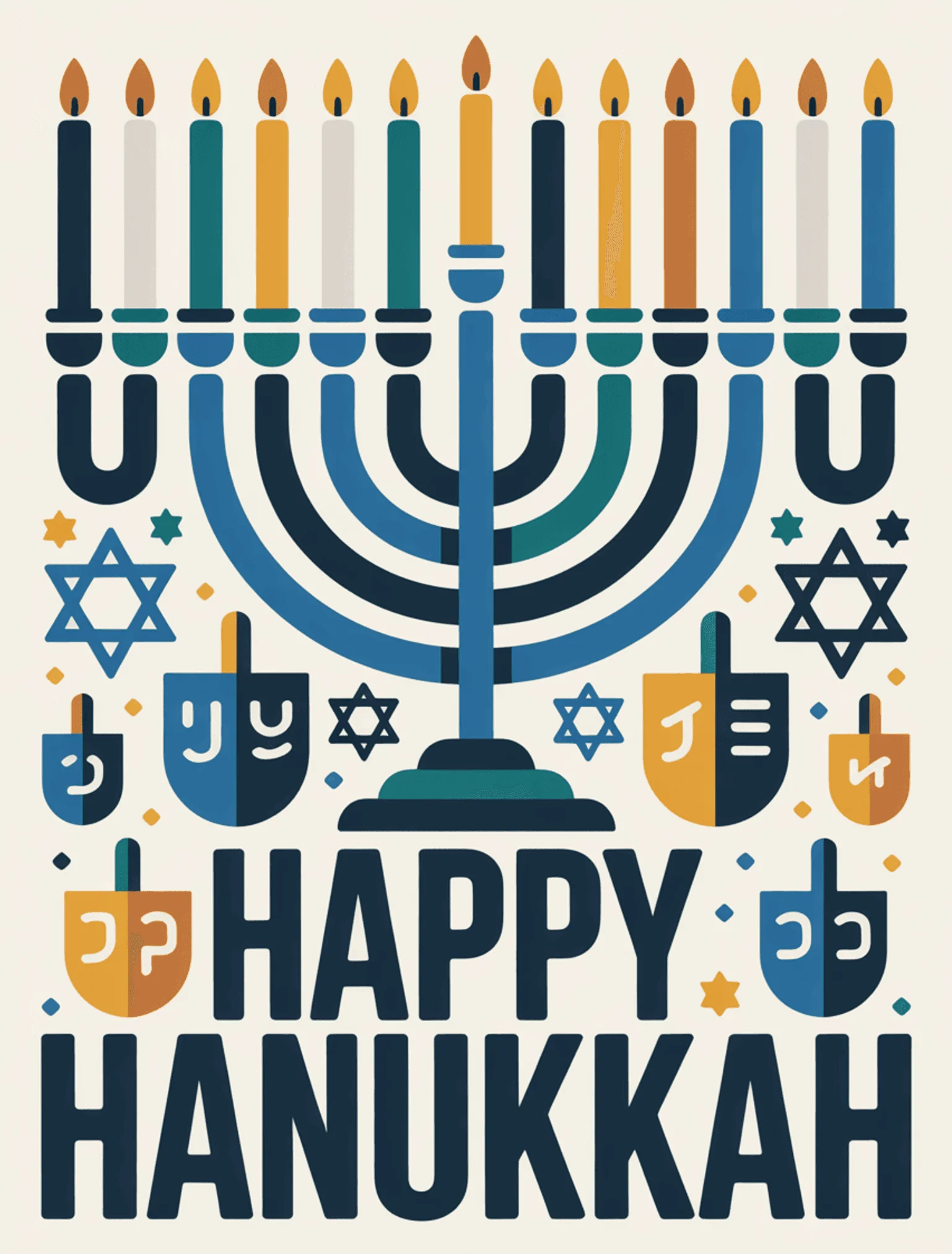

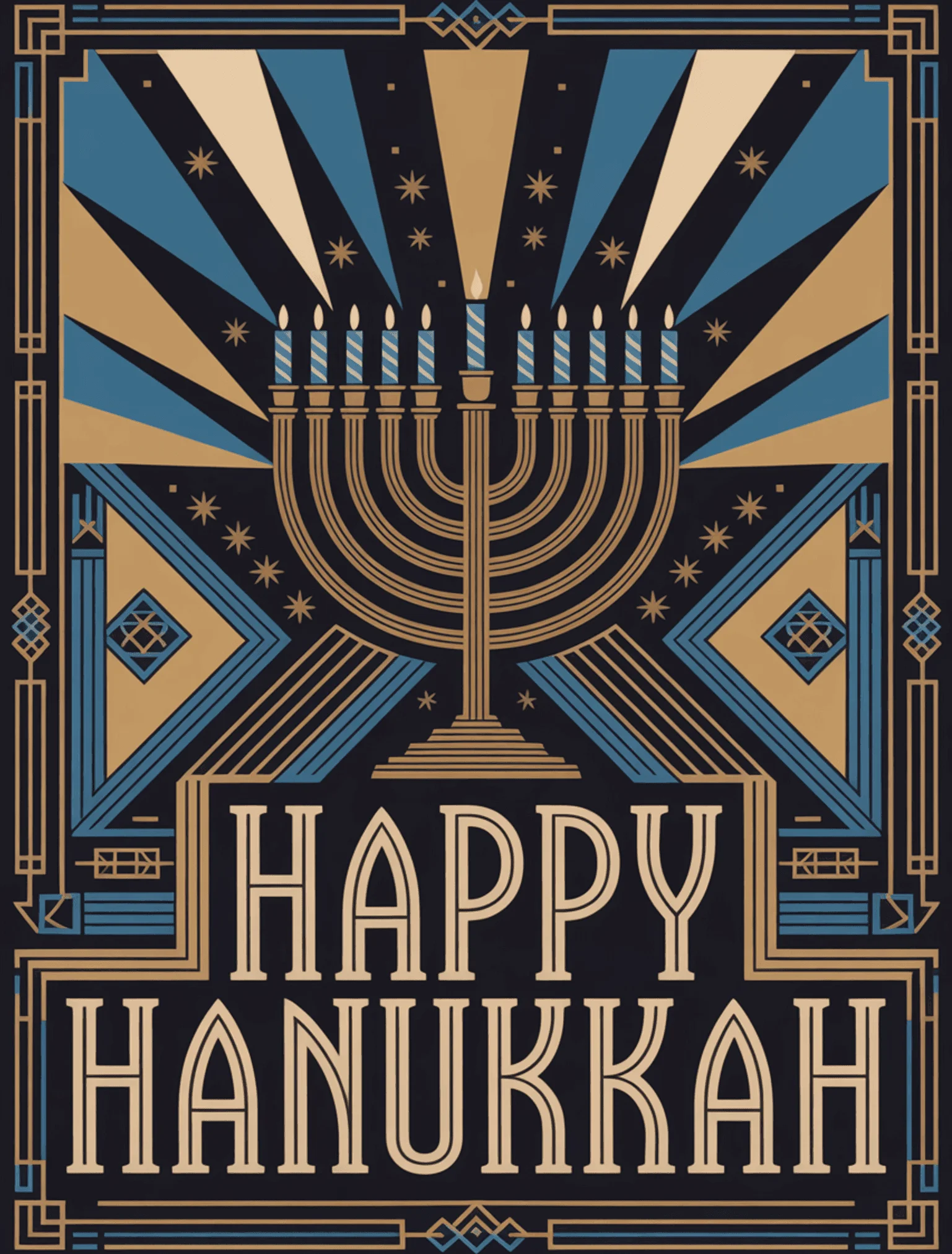
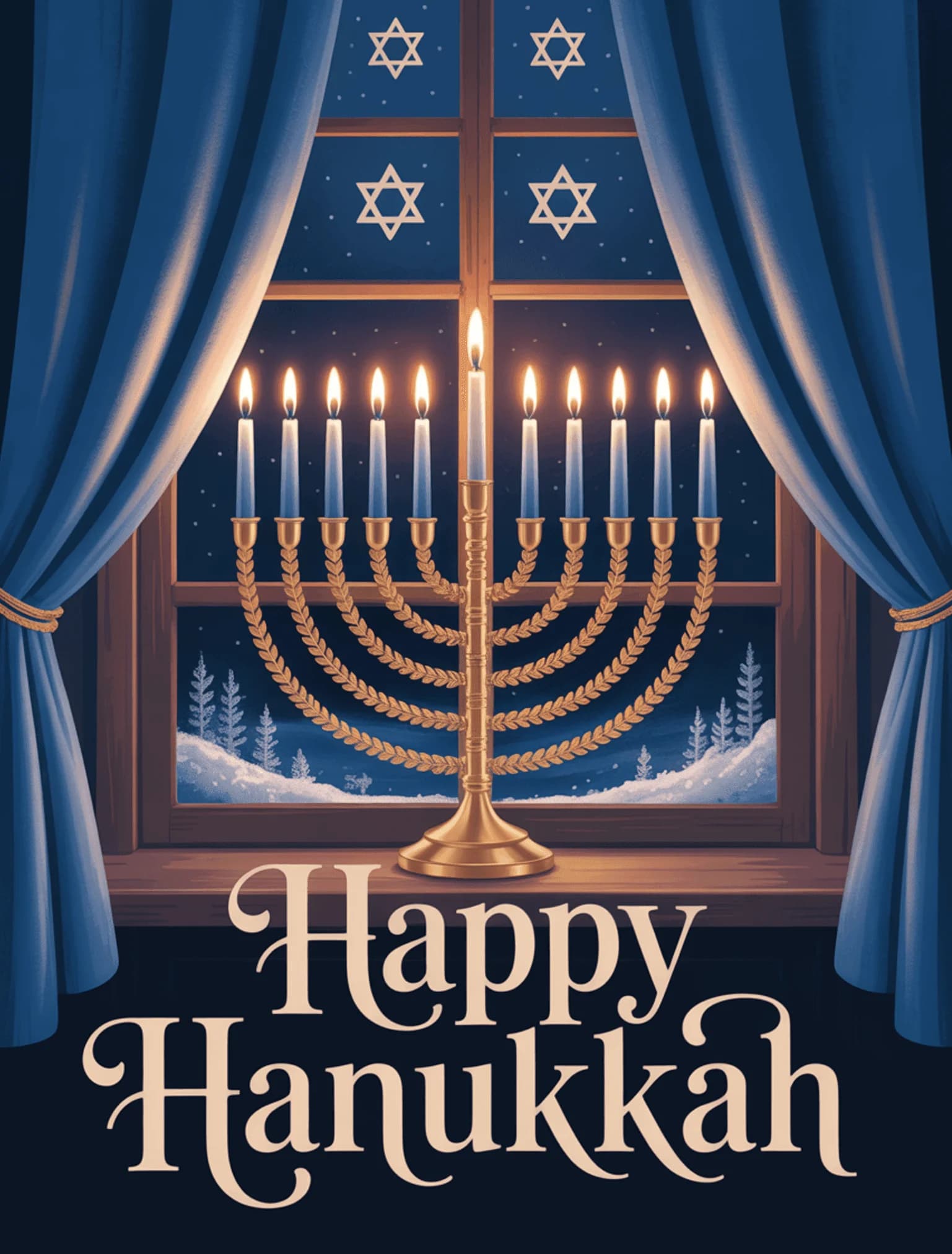
Browse Related
Frequently Asked
When should I send a Hanukkah card so it arrives on time?
Hanukkah starts at sundown on the first night, so aim to have your card arrive on or just before that date, not on the last night. Order at least 5-7 business days before the holiday begins to account for writing, processing, and USPS delivery time, and add a few extra days if you're sending to a rural address or during the peak December mail rush.
Is it appropriate to send a Hanukkah card if I'm not Jewish?
Yes, and it's generally appreciated when done with sincerity rather than as a reflexive swap for a Christmas card. Keep the message focused on the person, acknowledge the holiday by name, wish them a happy Hanukkah, and say something personal. Avoid blending Hanukkah into vague "holiday season" language, which tends to read as an afterthought.
What should I actually write inside a Hanukkah card?
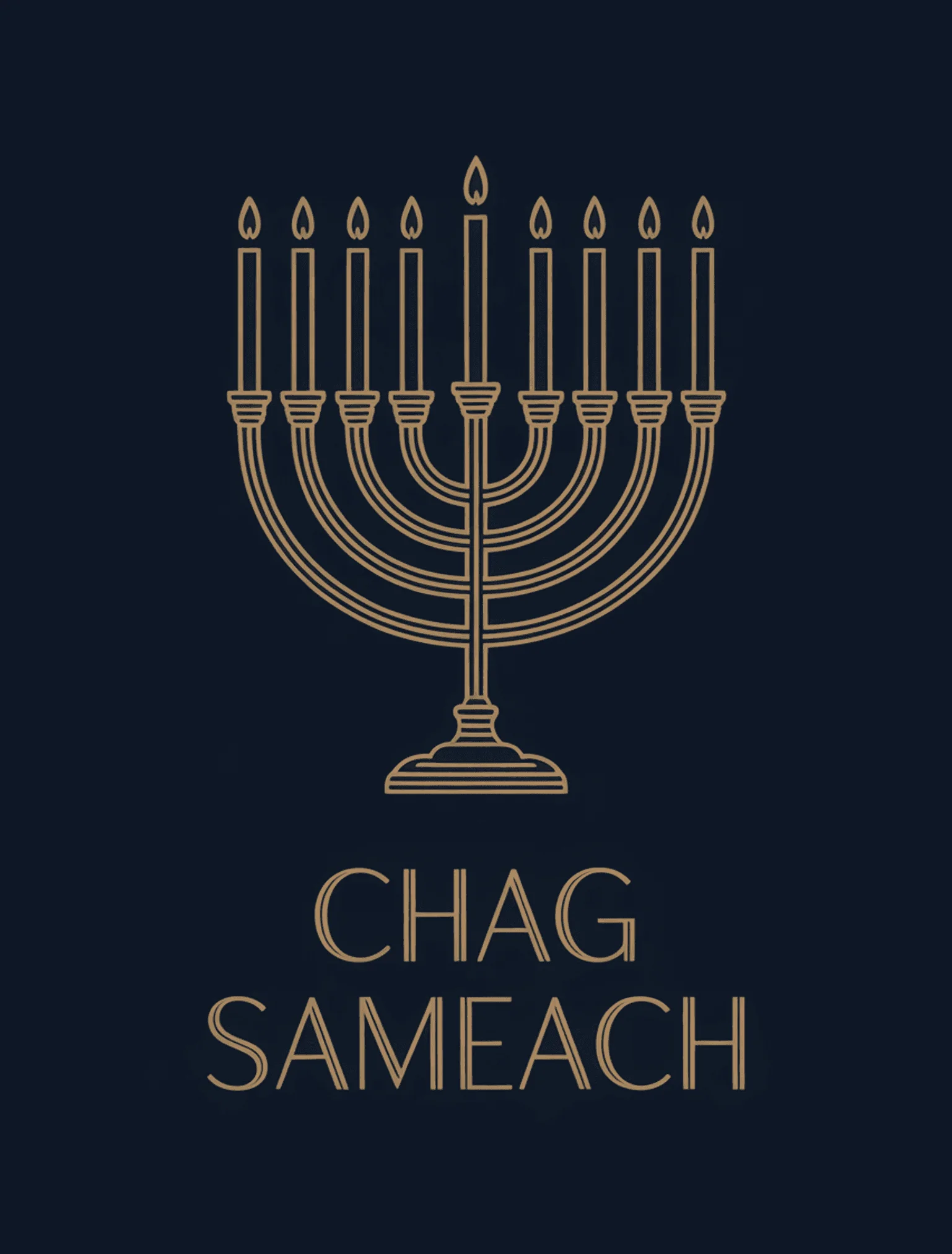
"Happy Hanukkah" is a perfectly correct and warm greeting on its own. If you want to add more, mention something specific to your relationship with the recipient rather than generic blessings, a shared memory, a wish for the coming year, or a simple note about why you're thinking of them. Chag Sameach (meaning "happy holiday") is also widely used and welcomed if you want a Hebrew phrase.