Loading...
Mental Health Support Cards
Within Get Well Cards
Mental health struggles, whether someone is navigating depression, anxiety, burnout, grief, or the slow grind of a hard season, rarely come with a clear moment to mark them. There is no discharge date, no obvious milestone, no casserole tradition the way there is with surgery. That gap is exactly where a card can do something a text cannot: it shows up physically, sits on a nightstand, and says "I thought about you enough to put something in your hands." For the person on the receiving end, that distinction matters more than most senders realize.
Cards From You makes it possible to send a real card, handwritten in real ink by a human, not printed, without having to time a trip to the post office to your own bandwidth. You write your message, choose your card, and the service handles addressing, stamping, and mailing it to your recipient anywhere in the United States. You can even schedule it ahead of time, which is useful when you know someone has a hard appointment coming up or a therapy milestone approaching. The result is something tangible and personal that lands in a mailbox rather than a notification tray.
From $0.99 digital, $7.24 mailedPostage includedReal pen & ink
Featured Get Well
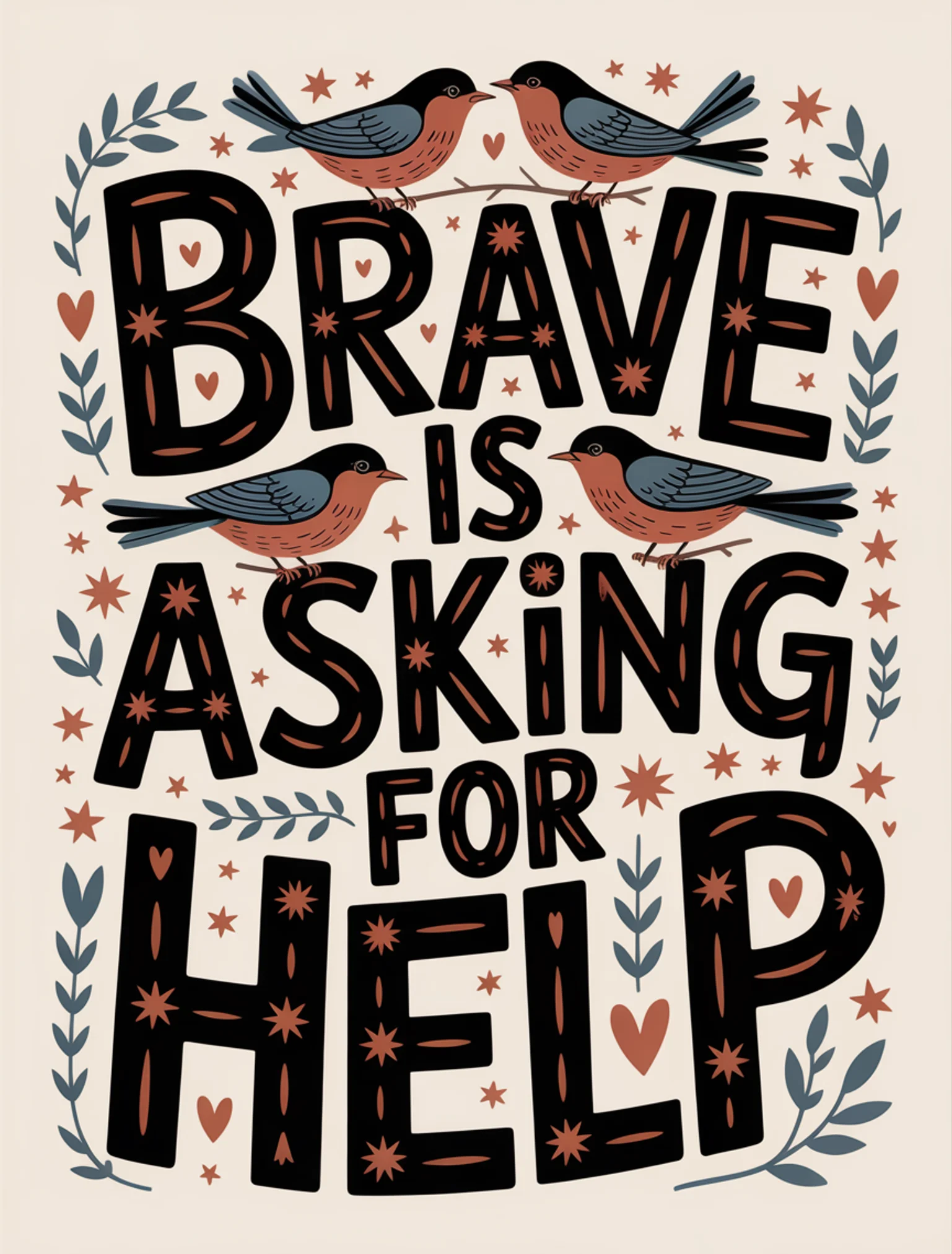
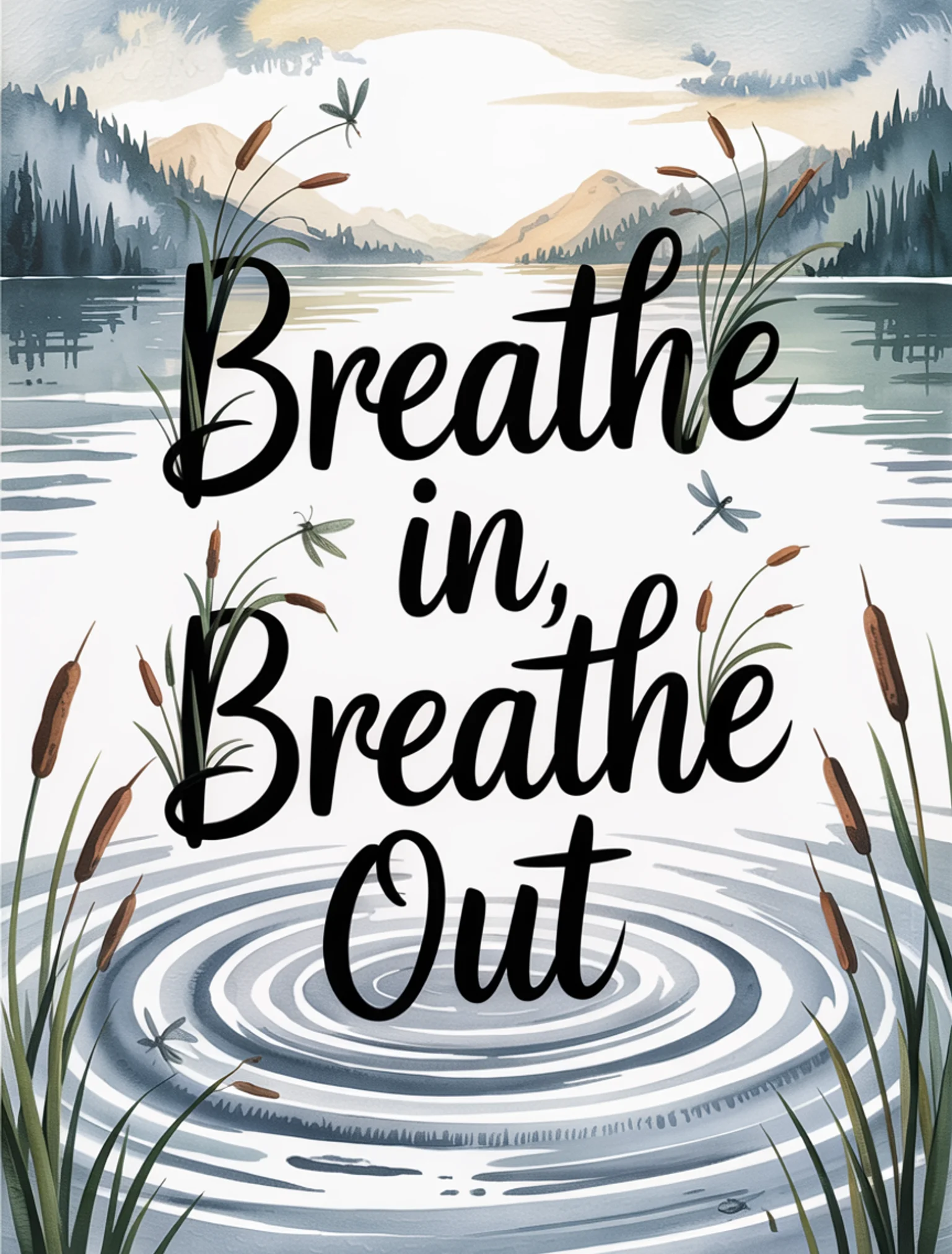
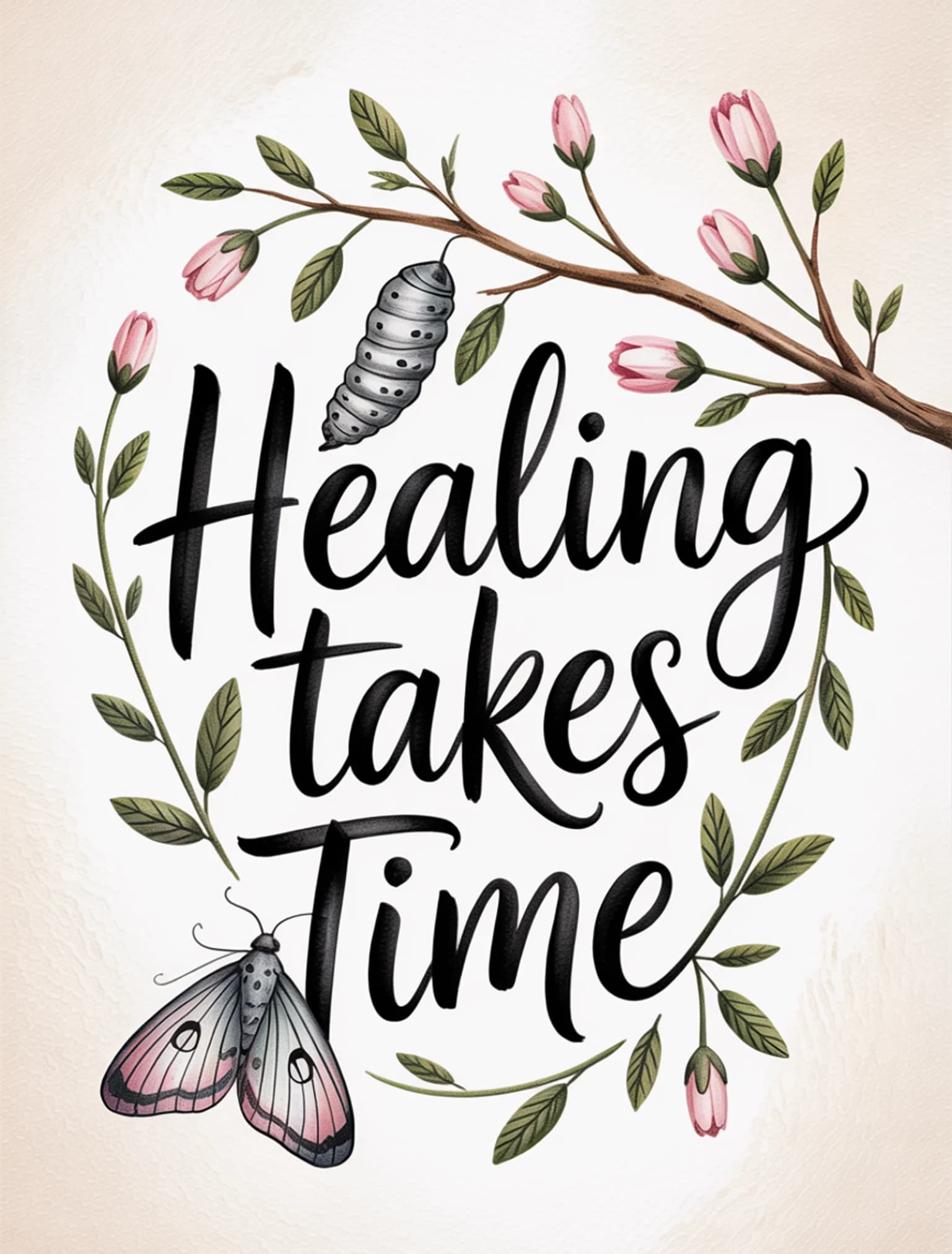


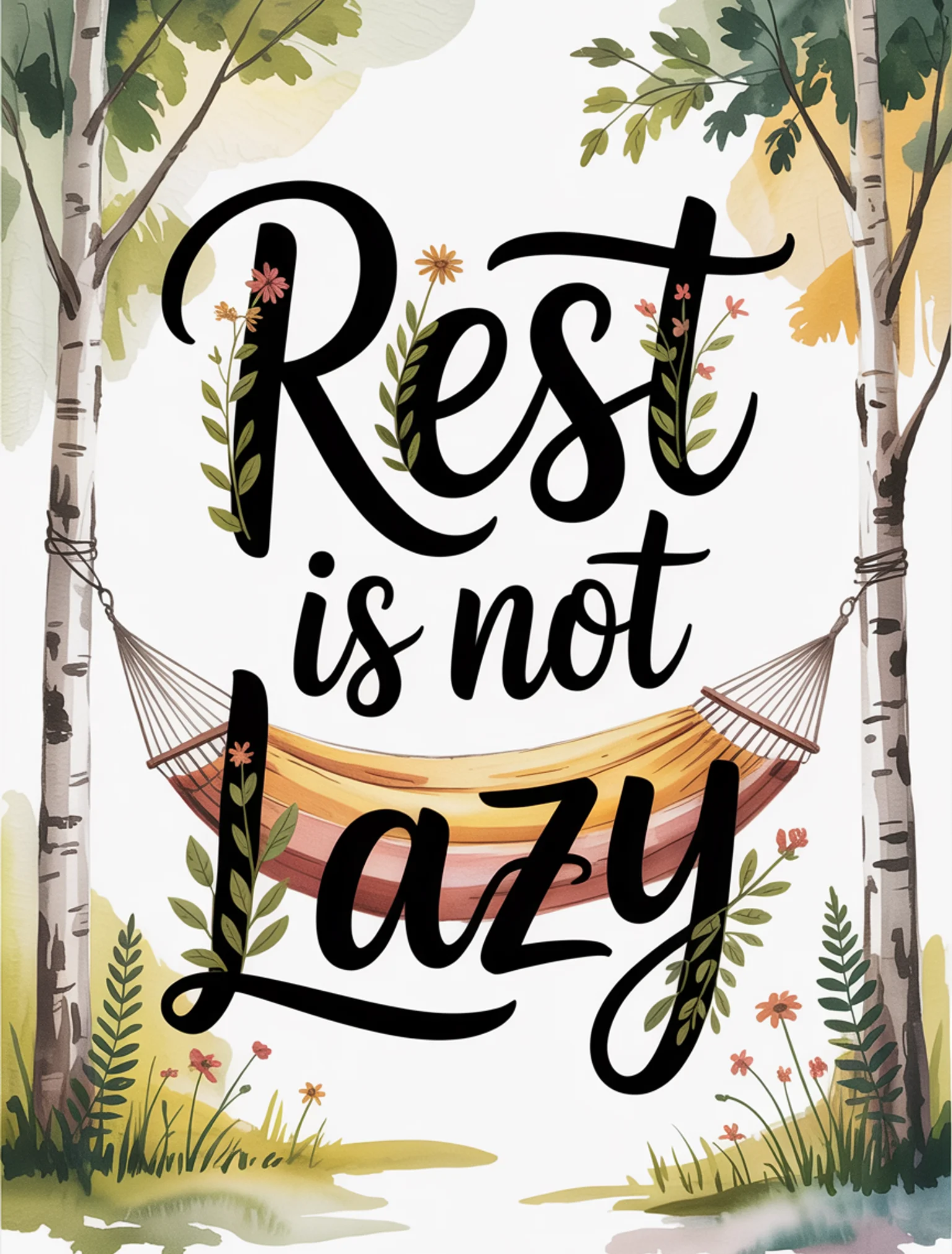



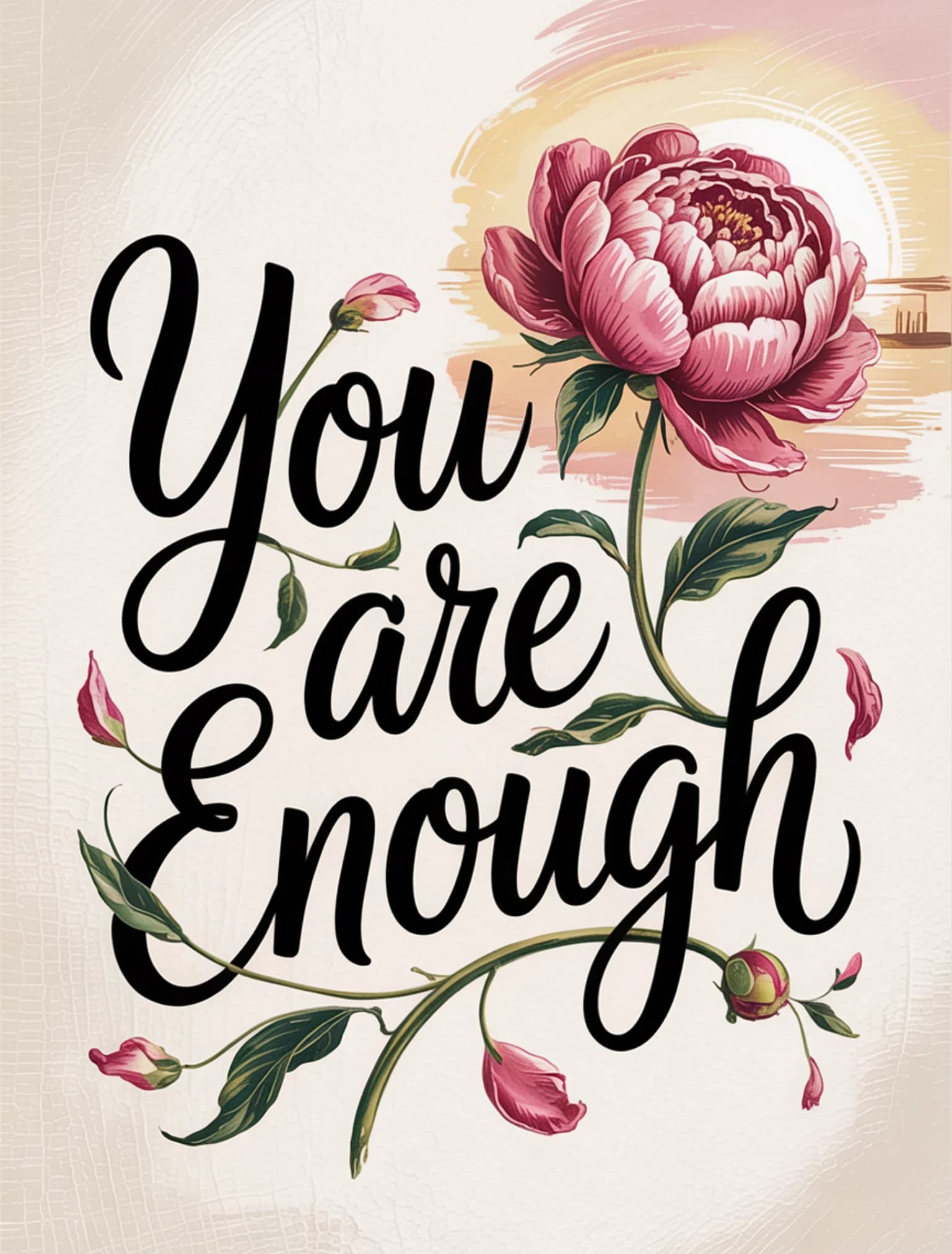
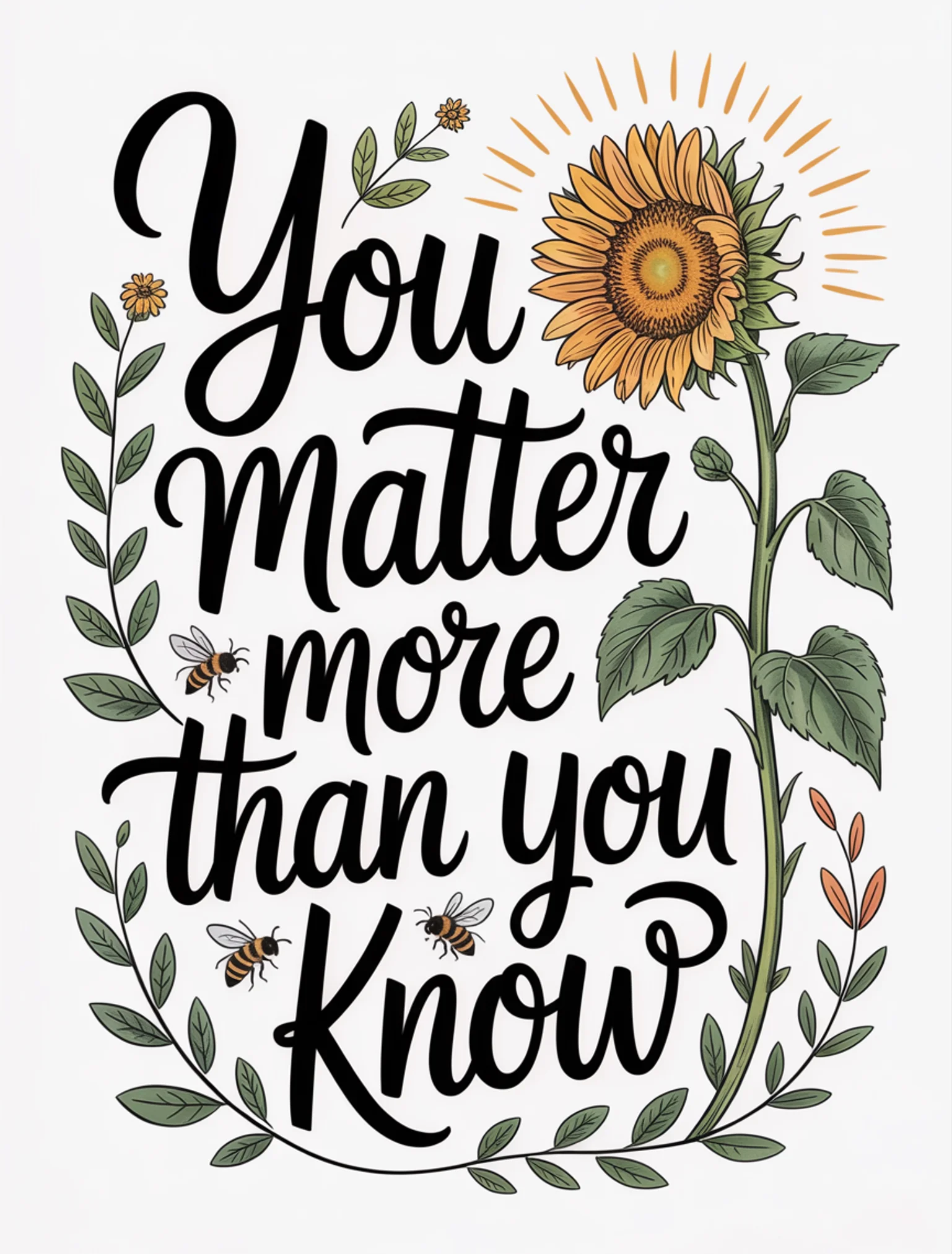
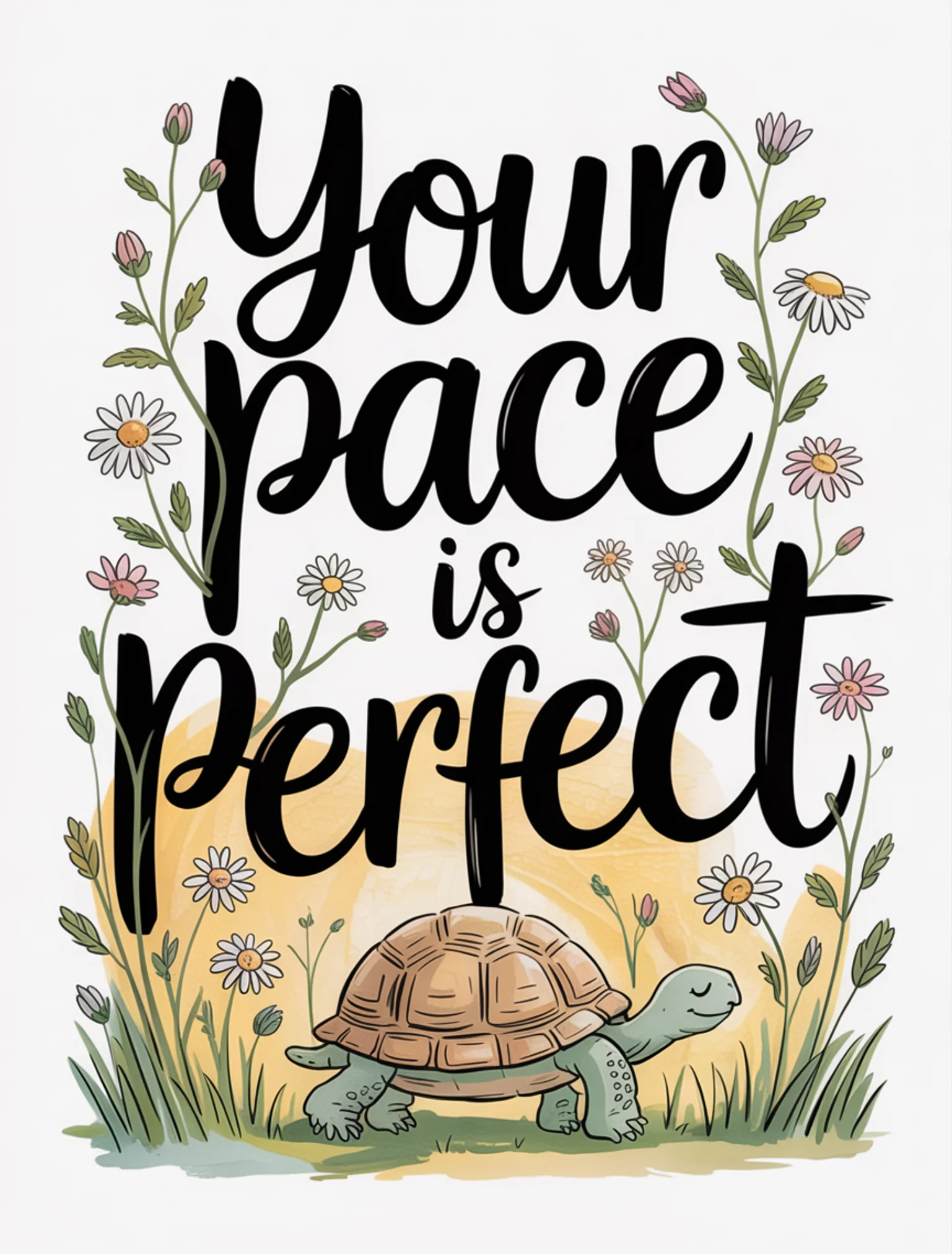








Browse Related
All Get Well CardsGeneralGet Well GeneralSurgery & RecoveryCold & FluHospital StaySerious IllnessInjuryFunny
Reading on this topic
Frequently Asked
What should I actually write in a mental health support card?
Keep it specific and low-pressure. Something like "I know things are hard right now, I'm not going anywhere" lands better than vague encouragement. Avoid phrases like "stay strong" or "everything happens for a reason," which can feel dismissive. Acknowledging what they're going through without trying to fix it is usually the most appreciated approach.
Is it appropriate to send a card if the person hasn't told me directly they're struggling?
Yes, if you frame it carefully. A card that says "I've been thinking about you and wanted you to know I'm here" doesn't require the recipient to have disclosed anything, it opens a door without forcing them through it. Avoid language that names their condition unless they've shared it with you directly.
When is the right time to send a mental health support card, right away or after some time has passed?
Sooner is usually better, but a card sent weeks later still carries weight, unlike a text, a physical card doesn't feel late in the same way. If someone has just started treatment or hit a rough patch, sending within the first week signals that you noticed and acted. A follow-up card a month later can be even more meaningful, since most support tends to drop off after the initial crisis.